
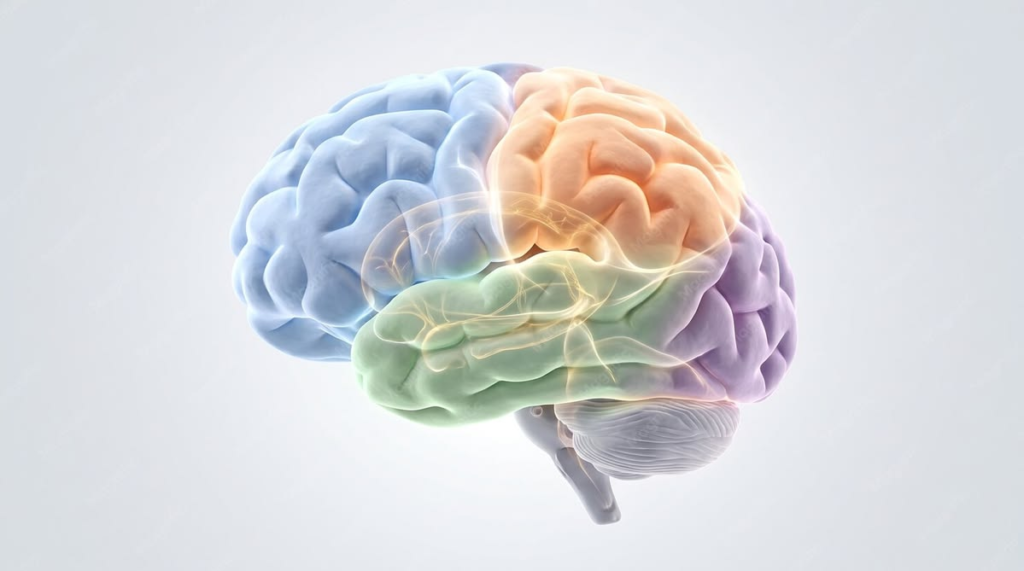
Have you ever stopped to notice how many things you do every single day on complete autopilot? You wake up, reach blindly for your phone on the bedside table, check a handful of overnight messages, stumble into the bathroom to brush your teeth, put on the kettle for tea or coffee, and glide through your morning routine without consciously thinking about a single step. Your brain already knows the map by heart.
That is the quiet magic of habits. Something that starts out as a small, conscious choice eventually weaves itself so deeply into the fabric of our days that it becomes who we are.
Yet, our daily habits do much more than simply organize our schedules. They actively shape how we feel, how deeply we concentrate, how gracefully we respond to unexpected stress, how well we sleep, how easily we learn, and how we handle the endless responsibilities of everyday life.
When people hear the phrase brain health, their mindset often drift immediately toward memory retention, high-level intelligence, or guarding against cognitive issues later in life. While those matters are undoubtedly important, true brain health is just as heavily connected to the ordinary, unglamorous choices you make on a Tuesday afternoon.
- How well did you actually sleep last night?
- Did you move your physical body at all today?
- Have you eaten real food, or are you running on caffeine and sugar?
- Have you spent the entire day frantically jumping from one notification to the next?
- Did you carve out even five minutes to sit quietly in your own thoughts?
These questions might sound deceptively simple, but they form the foundational pieces of a much bigger picture. The wonderfully encouraging news is that taking care of your brain does not require a sterile, perfect lifestyle. You do not need an expensive wellness routine, a pristine morning regimen, or a kitchen shelf overflowing with unpronounceable supplements. Often, the most useful and transformative changes are surprisingly ordinary.
Your Brain Learns From What You Repeat
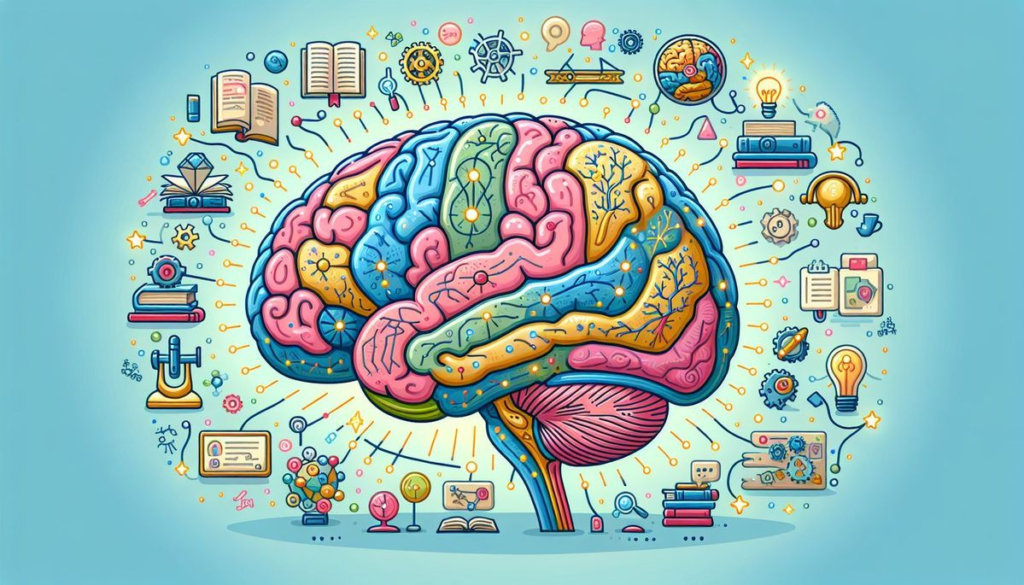
Imagine someone who decides to start taking a quiet ten-minute walk every single evening after dinner. At first, it requires a conscious mental push. They have to actively remember to lace up their shoes. They might even stand by the door debating with themselves: Should I really go out today? It’s getting dark.
After several weeks of consistency, something subtle shifts in the brain’s circuitry. The debate disappears. The evening walk simply becomes part of the texture of the day.
The exact same neurological rule applies to reading before bed, working out regularly, checking social media every five minutes, staying up way too late watching videos, or constantly reaching for your phone whenever there is a lull in the conversation. Repeated behaviors become familiar, comfortable, and increasingly automatic.
This is precisely why our everyday habits deserve our careful attention. If you repeatedly choose behaviors that nourish your well-being, they become easier to maintain over time. Conversely, habits that leave you chronically distracted, physically exhausted, or mentally fried also become deeply entrenched.
This does not mean you are permanently trapped by your existing routine. Human beings possess a lifelong capacity to change their habits. It simply requires repetition, a generous dose of patience, and a realistic, forgiving approach.
You Don’t Need to Change Your Whole Life in One Day
This is where so many well-intentioned self-improvement plans completely fall apart. Sunday night rolls around, and you feel fiercely motivated. You look at your messy desk, your sluggish energy levels, and your scattered routine, and you make a grand declaration: Monday will be your brand-new life.
You plan to wake up at 5:00 AM, hit the gym for an hour, eat a pristine organic breakfast, read fifty pages of non-fiction, meditate in absolute silence, completely avoid your phone during work hours, learn a new language, go to bed by 9:00 PM, and magically transform into an exceptionally productive machine.
Then Monday arrives with its usual chaos.
Work gets overwhelming. A colleague calls with an urgent crisis. You feel physically tired by noon. Dinner takes much longer than anticipated. Before you know it, you are sitting on the couch scrolling through short-form videos to decompress, and suddenly it is midnight. By Tuesday morning, your perfect plan already feels like an impossible standard you failed to live up to.
There is nothing wrong with wanting to improve your life. The core problem is trying to improve everything all at once.
A much kinder, more realistic approach is to choose just one small habit to focus on.
- Want to exercise more? Start with a ten-minute walk.
- Want to read more books? Commit to just five pages before bed.
- Want to reduce your screen time? Keep your phone out of arm’s reach during dinner.
- Want to sleep earlier? Move your bedtime back by fifteen minutes every few days rather than expecting your body to suddenly shut down two hours ahead of schedule.
Small habits may not look dramatic or impressive on paper, but they are infinitely easier to repeat. And what you repeat consistently has a much higher chance of actually sticking around for the long haul.
Sleep Is Not Wasted Time
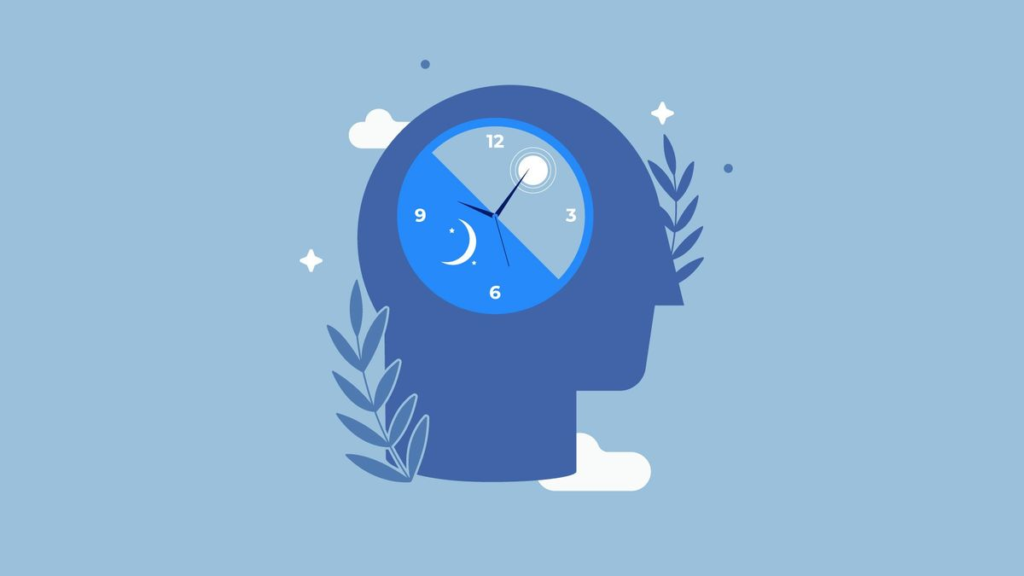
We live in a culture that frequently treats busyness as a badge of honor and chronic exhaustion as proof of dedication. Sleeping less can even feel like something to brag about over morning coffee: “I only slept four hours last night, but I managed to finish my entire project.”
The trouble is that your biology doesn’t care about hustle culture. Your brain fundamentally disagrees with the idea that sleep is optional.
Uninterrupted sleep supports vital neurological processes related to memory consolidation, emotional regulation, learning, sustained attention, and physical restoration. When you consistently cut your rest short, you start to notice the friction in your daily life. You forget why you walked into the kitchen. You struggle to sustain focus through a simple report. Small, ordinary frustrations feel like major crises.
A healthy sleep routine doesn’t need to be rigid or complicated. Try keeping your sleeping and waking times reasonably consistent, even on the weekends, to support your internal clock. Give your mind a chance to slow down before you crawl under the covers. If your glowing phone constantly tempts you into another conversation or another video loop, create some physical distance between yourself and your device at night.
And please, stop feeling guilty about resting. Your brain is not being lazy or unproductive while you sleep; it is performing essential maintenance, clearing out metabolic waste, and preparing you to face a brand-new day with clarity.
Move Your Body in a Way You Actually Enjoy
There is an unspoken rule in fitness culture implying that if you aren’t suffering through a grueling, high-intensity workout at a specialized gym, you aren’t really exercising.
That is entirely untrue.
Some people genuinely love heavy weightlifting or endurance running. But many others would much rather walk through their neighborhood park, dance around their living room to favorite songs, ride a bike, swim laps, practice gentle yoga, tend to a garden, or play an active sport with friends.
The single most important factor in physical movement is finding something that feels realistic and enjoyable for your actual life. A twenty-minute daily walk might sound ordinary compared to fitness magazine headlines, but ordinary habits carry a massive advantage: they are sustainable. You can listen to an engaging audiobook while you walk, catch up with a loved one on the phone, or use the time after dinner to clear your head of daily static.
You do not need to turn every form of movement into an intense performance. Sometimes, moving simply because your physical body feels stiff and craves a little life is more than enough.
Your Brain Needs Nourishment Too
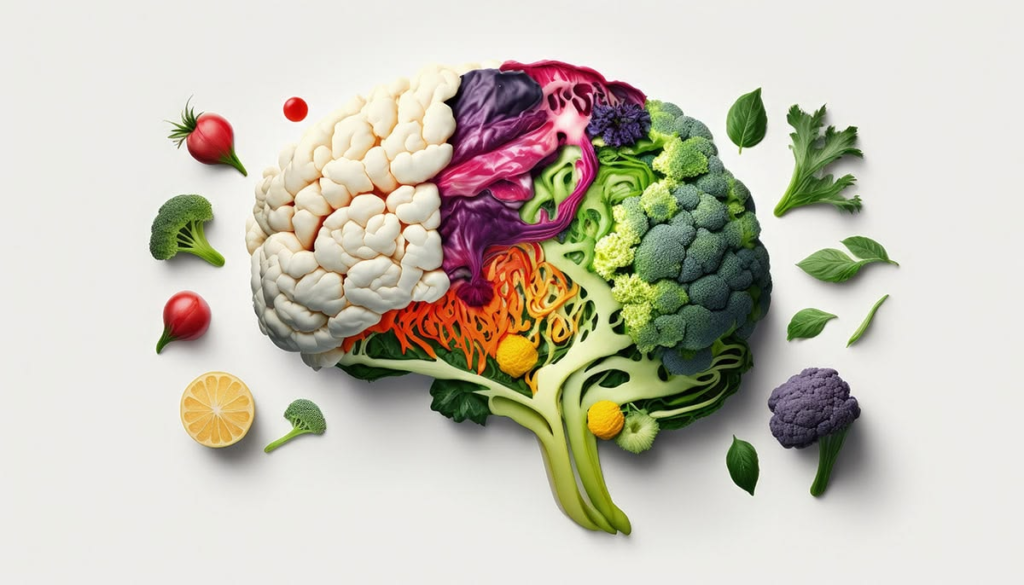
Nutritional advice can become dizzying and overwhelming in a matter of minutes. One day, a particular superfood is declared the absolute key to eternal cognitive youth. The next day, a different ingredient is treated as public enemy number one. It makes eating well feel like an academic exam rather than a natural human nourishment process.
Instead of hunting for one magical food that will solve everything, step back and look at your overall pattern of eating over the course of a week.
A varied, colorful diet rich in fresh vegetables, ripe fruits, whole grains, beans, lentils, raw nuts, seeds, and quality sources of protein provides steady, reliable energy for your mind. Drinking enough fluids throughout the day and avoiding the roller coaster of skipping meals can keep your focus stable and your mood balanced.
You do not have to eat with robotic perfection. One indulgent meal does not ruin your long-term health, just as one salad doesn’t transform your biology overnight. What truly matters is the rhythm of your normal, everyday choices.
Your Phone May Be Training Your Attention Too
Here is a modern routine almost all of us know intimately. You pick up your phone with a very specific, innocent intention—perhaps to check the weather or reply to a quick text message. Then you notice a red notification dot. You tap it. You open an app to check one thing. Five minutes later, you are staring at content completely unrelated to your original purpose, wondering how the time vanished.
It happens effortlessly because digital platforms are engineered to capture and hold our wandering attention. But those constant micro-interruptions train our brains to crave rapid stimulation, making deep, uninterrupted focus feel increasingly difficult.
Try carving out small, intentional pockets of time where your phone is completely out of the picture:
- Eat a single meal without scrolling through feeds.
- Work on a single task for thirty minutes without checking incoming messages.
- Read a physical book without keeping your phone resting beside the pages.
- Sit across from a friend at a café without placing your device face-up on the table between you.
In the beginning, this absence of digital noise might feel slightly uncomfortable or twitchy. That is entirely normal. We have simply grown unaccustomed to quiet spaces.
Give Your Brain Something Interesting to Learn

Learning new things does not have to mean sitting at a wooden desk with a heavy textbook or studying for an exam you never asked to take.
Perhaps you have secretly wanted to learn basic photography, figure out how to grow herbs on your balcony, try your hand at sketching, play an acoustic guitar, master cooking techniques from a different culture, or dive into local history.
Follow that genuine curiosity wherever it leads. When you engage with an unfamiliar skill, you are forced to pay attention, hold information in your working memory, make clumsy mistakes, troubleshoot small roadblocks, and try again.
Being an absolute beginner can be wonderfully refreshing. You do not need to be talented at your new hobby, and you certainly don’t need to monetize it or become a master. Sometimes, learning is profoundly valuable simply because it gives your busy mind a fresh landscape to explore.