

The brain is the control centre of the human body, responsible for memory, thinking, emotions, and movement. Maintaining good brain health is essential for overall well-being at every stage of life. However, modern lifestyle habits such as stress, poor diet, lack of sleep, and physical inactivity can negatively affect brain function over time.
Neurology experts emphasise that adopting healthy habits early can significantly reduce the risk of neurological disorders and cognitive decline. If you experience symptoms such as frequent headaches, memory issues, or difficulty concentrating, consulting an experienced neurologist in Noida at a reputed neurology hospital in Noida can help identify underlying causes and guide you toward better brain health.
Here are some important strategies recommended by neurology specialists to keep your brain healthy and functioning optimally.
Brain health is about more than just avoiding neurological diseases — it’s about maintaining cognitive functions like memory, problem-solving, and emotional balance. Poor brain health can impact your productivity, relationships, and quality of life. With age, the brain naturally changes, but certain habits can slow this decline and even strengthen neural connections.
Work up a sweat
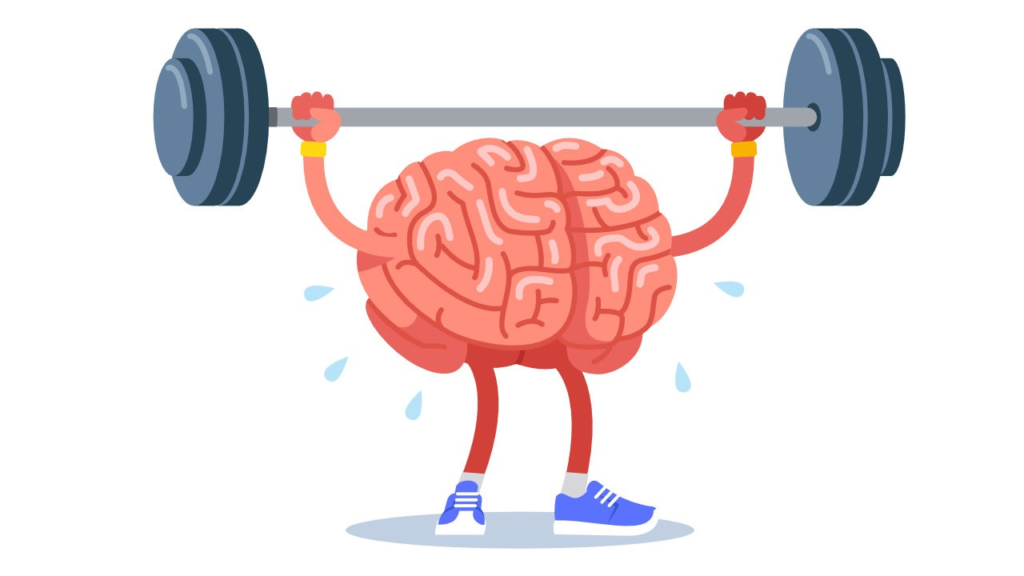
People who are physically active are more likely to keep their minds sharp. Regular physical activity also can help improve balance, flexibility, strength, energy and mood. Research suggests that exercise may lower the risk of developing Alzheimer’s disease.
For most adults, the Department of Health and Human Services recommends at least 150 minutes a week of moderate aerobic activity, such as brisk walking. Or it recommends at least 75 minutes a week of vigorous aerobic activity, such as jogging. It’s best to spread this activity throughout the week. If you don’t have time for a full workout, try a few 10-minute walks during the day.
Protect your head
A brain injury can cause lasting changes in thinking, memory, coordination, speech and emotions. To protect your brain, always wear a helmet when doing an activity where there’s a risk of head injuries. Examples include biking, skiing, riding a horse, or using a motorcycle, snowmobile or all-terrain vehicle.
Other common causes of head injuries include car accidents and falls. Help avoid hits to the head by wearing a seatbelt in the car. To keep from falling, be careful with your footing on ladders, on uneven ground or when you’re in an unfamiliar area. Help prevent falls at home by removing clutter from stairs and hallways. Keep stairways well lit. Make sure carpets and rugs are firmly attached to the floor so that they don’t slip.
Take care of your health
Some medical conditions can raise the risk of developing issues with thinking and memory. They also may raise the risk of having a stroke, which can damage blood vessels in the brain. Among the most common of these conditions are diabetes, heart disease and high blood pressure. If you have ongoing medical concerns, follow your healthcare professional’s directions on how best to treat and manage them. If you don’t have these conditions, ask your healthcare team what you can do to prevent them.
Meet up with friends
If you’re unsure about whether to go out with friends or invite loved ones over, do it. Being social helps ward off depression and stress. Both depression and stress can make memory loss worse. Being disconnected from others and loneliness also have been linked to a higher risk of a decline in thinking skills and of Alzheimer’s disease.
Get a good night’s rest

Sleep is the human equivalent of plugging in your phone to charge. A good night’s sleep helps improve brain function and memory, keeps you alert, and makes it easier to do daily tasks. Rest also eases stress and depression.
Make getting enough healthy sleep a priority. Adults should sleep 7 to 9 hours a night. If snoring disrupts sleep, make an appointment with your healthcare professional. Snoring could be a sign of a sleep disorder, such as sleep apnea. Conditions that disturb sleep may raise the risk of a decline in thinking skills and of dementia.
Work up a sweat
People who are physically active are more likely to keep their minds sharp. Regular physical activity also can help improve balance, flexibility, strength, energy and mood. Research suggests that exercise may lower the risk of developing Alzheimer’s disease.
For most adults, the Department of Health and Human Services recommends at least 150 minutes a week of moderate aerobic activity, such as brisk walking. Or it recommends at least 75 minutes a week of vigorous aerobic activity, such as jogging. It’s best to spread this activity throughout the week. If you don’t have time for a full workout, try a few 10-minute walks during the day.
Protect your head
A brain injury can cause lasting changes in thinking, memory, coordination, speech and emotions. To protect your brain, always wear a helmet when doing an activity where there’s a risk of head injuries. Examples include biking, skiing, riding a horse, or using a motorcycle, snowmobile or all-terrain vehicle.
Other common causes of head injuries include car accidents and falls. Help avoid hits to the head by wearing a seatbelt in the car. To keep from falling, be careful with your footing on ladders, on uneven ground or when you’re in an unfamiliar area. Help prevent falls at home by removing clutter from stairs and hallways. Keep stairways well lit. Make sure carpets and rugs are firmly attached to the floor so that they don’t slip.
Exercise regularly.

Exercise has many known benefits, and regular physical activity also benefits the brain. Multiple research studies show that physical active people are less likely to experience a decline in their mental function and have a lower risk of developing Alzheimer’s disease.
These benefits result from increased blood flow to your brain during exercise. It also tends to counter some of the natural reduction in brain connections that occur during aging, reversing some of the problems.
Aim to exercise several times per week for 30 to 60 minutes. You can walk, swim, play tennis or do any other moderate aerobic activity that increases your heart rate.
Get plenty of sleep.
Sleep plays an important role in your brain health. Some theories state that sleep helps clear abnormal proteins in your brain and consolidates memories, which boosts your overall memory and brain health.
Aim for seven to eight consecutive hours of sleep per night, not fragmented sleep of two- or three-hour increments. Consecutive sleep gives your brain the time to consolidate and store your memories effectively. Sleep apnea harms your brain’s health and could be why you may struggle to get consecutive hours of sleep. Talk with your health care team if you or a loved one suspects you have sleep apnea.
Stay mentally active.
Your brain is similar to a muscle — you need to use it or lose it. There are many things that you can do to keep your brain in shape, such as doing crossword puzzles or Sudoku, reading, playing cards or putting together a jigsaw puzzle. Consider it cross-training your brain. Incorporate different types of activities to increase the effectiveness.
Most health care teams don’t recommend the paid brain-training programs available. These programs often overpromise results or focus on memorization skills that aren’t useful in everyday life. Your brain can get just as good of a workout through reading or challenging yourself with puzzles. Finally, don’t watch too much TV, as that is a passive activity and does little to stimulate your brain.
Building strong social ties

An extremely important contributor to both brain health and mental health is the social networks we make and continuously interact with. Meaningful relationships provide a fulfilling life with purpose and help the brain stay active and sharp.
If you or someone you know have reason to worry about your brain health, we urge you to speak to a doctor who can provide you with the support you need. You can connect with Parksneurosurgery hospitalin Gurugramor our brain and spine surgery hospital in Delhi. Our neurosurgery departments can help with diagnosis and care for a range of neurological problems. We also have a brain and spine treatment hospital in Gurgaon with brain stroke treatment.
FAQ’s
1. How can I improve my memory naturally?
Getting enough sleep, staying physically active, learning new things, managing stress, and maintaining a balanced lifestyle can support overall brain wellness.
2. How can I improve my focus and concentration?
Reduce distractions, focus on one task at a time, take regular breaks, and maintain a consistent sleep routine.
3. Does sleep affect brain health?
Yes. Quality sleep is an important part of overall health and supports normal learning, memory, and daily functioning.
4. Can exercise support brain health?
Regular physical activity supports overall health and can be an important part of a healthy lifestyle that includes brain wellness.
5. What foods are good for brain health?
A balanced diet that includes a variety of vegetables, fruits, whole grains, beans, nuts, seeds, and other nutritious foods can support overall health.