
Walk into almost any modern workplace today and you will notice something interesting. People may still be sitting at desks, talking to colleagues, drinking coffee, and attending meetings, but the way they actually get their work done has changed.
A laptop has replaced piles of paperwork. Online meetings have replaced many face-to-face discussions. Cloud storage has made it possible to open a file from almost anywhere. And now, artificial intelligence is becoming another everyday tool sitting alongside email, spreadsheets, and messaging apps.
This is what makes workplace technology in 2026 so interesting. Technology is no longer something that only the IT department worries about. It has become part of almost everyone’s working day.
A content writer may use an AI assistant to brainstorm ideas. A manager may use a digital dashboard to follow a team’s progress. A designer can collaborate with someone in another city without sending files back and forth. Even a new employee can complete onboarding through an online platform without carrying a folder of paperwork around the office.
The technology itself is changing, but more importantly, the way people work with technology is changing.
So, what should we expect to see more of in workplaces during 2026?
Artificial Intelligence Will Become an Everyday Work Partner
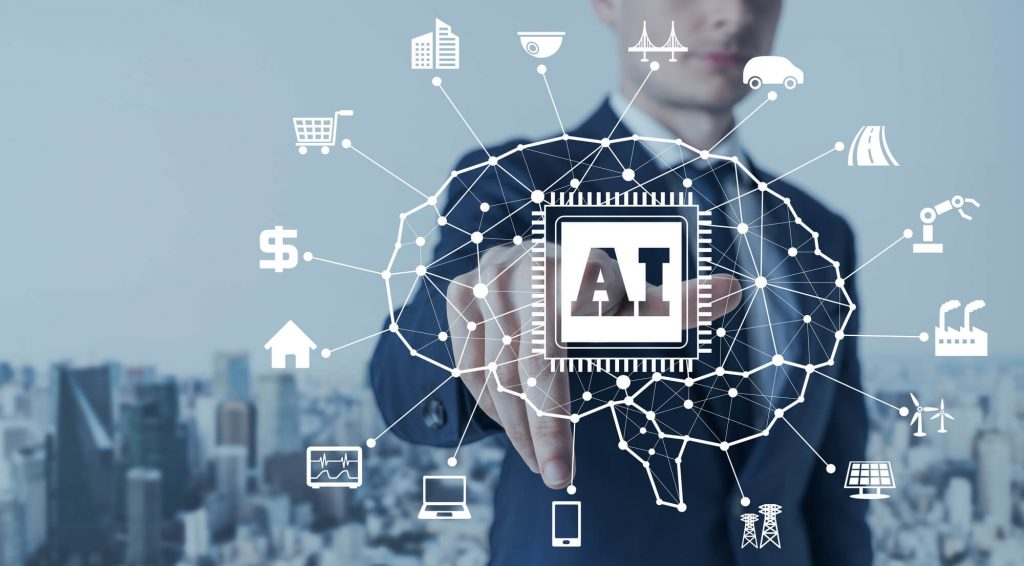
Artificial intelligence is probably the first thing that comes to mind when people talk about workplace technology, and for good reason.
But the interesting part of 2026 is not simply that companies are using AI. It is how normal AI is becoming in everyday work.
Think about the small tasks that take up time during a normal working day. Writing a first draft, organizing notes, summarizing a long document, preparing a list of ideas, searching through information, or turning rough thoughts into a structured plan can take longer than expected.
AI tools can help with many of these jobs.
For example, a marketing employee might ask an AI tool to suggest campaign ideas before developing the final strategy. A salesperson might use it to summarize a long customer conversation. Someone working in administration might use automation to organize routine information.
The human still makes the important decisions. The technology simply helps get some of the groundwork done faster.
That difference matters.
The future is unlikely to be about handing everything over to AI. It is more about learning where AI is useful and where human judgment is still essential.
Automation Will Take Care of More Repetitive Work
There is a particular kind of workplace frustration almost everyone understands: doing the same small task again and again.
Copying information from one system to another. Sending the same type of reminder. Updating routine reports. Sorting files. Checking repetitive entries.
These jobs may not be difficult, but they can quietly consume hours.
That is where workplace automation becomes valuable.
In 2026, businesses are increasingly looking at everyday processes and asking a simple question: Does a person really need to do this manually?
If the answer is no, automation may be able to handle it.
The benefit isn’t just speed. Employees can spend more of their working day on tasks that actually require their experience and attention.
For a small business, this could mean a team has more time to speak with customers. For a larger company, it could mean fewer administrative bottlenecks.
Good automation should feel almost invisible. When it works properly, employees simply notice that they have fewer unnecessary things to worry about.
Hybrid Work Will Depend on Better Technology
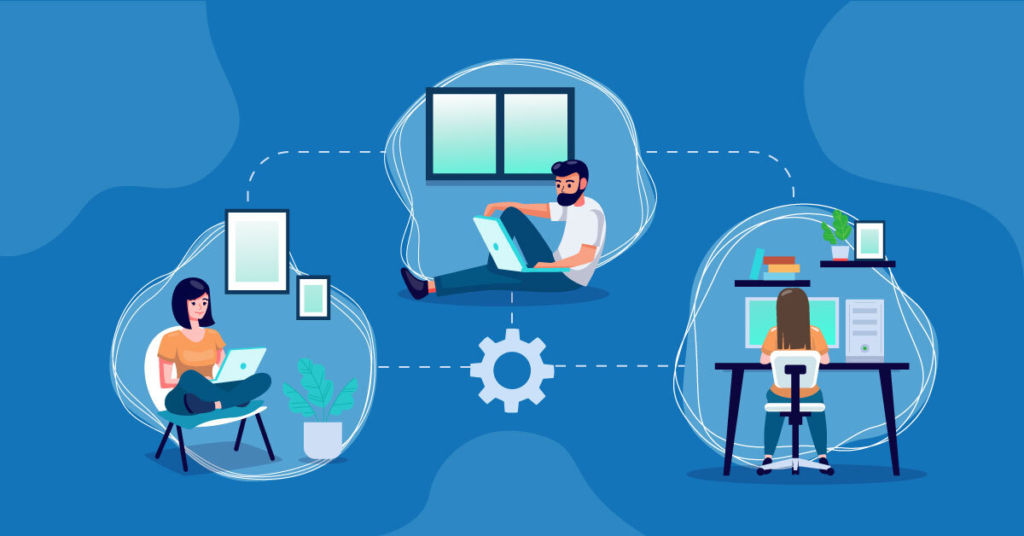
The debate about remote work versus office work is still going on, but one thing is clear: flexible working has changed workplace expectations.
Many employees now work partly from home and partly from an office. Some teams may have people working from different cities or even different countries.
That creates a practical problem.
How do you make sure everyone feels like they are part of the same team?
Technology plays a huge role.
Video meetings, shared documents, project management platforms, instant messaging, cloud storage, and digital calendars help keep people connected.
But simply having these tools isn’t enough.
Anyone who has spent an entire day jumping between online meetings knows that more technology does not automatically mean better work.
Companies are learning that hybrid work needs thoughtful technology choices. Employees need easy access to information, fewer unnecessary meetings, clear communication, and tools that work together rather than creating another layer of confusion.
AI Meeting Assistants Will Save Time
Meetings have always been a part of office life. Unfortunately, remembering everything discussed in a meeting has never been easy.
This is where AI-powered meeting tools are becoming useful.
These tools can help capture discussions, summarize key points, identify action items, and make important information easier to revisit.
Imagine attending a one-hour project meeting on Monday and needing to remember exactly what was decided by Thursday. Instead of searching through handwritten notes or asking another colleague what happened, you can review a structured summary.
That sounds like a small improvement, but small improvements can make a big difference when they happen every week.
The real value is not creating another document nobody reads. It is helping people spend less time remembering what happened and more time actually doing the work that comes next.
Digital Collaboration Will Feel More Natural

There was a time when working on a document with another person meant saving a file, emailing it, waiting for a reply, and wondering which version was the latest.
Thankfully, that experience is becoming less common.
Digital collaboration tools allow several people to work on the same project, share feedback, make changes, and track progress.
This is particularly useful when teams are spread across different locations.
A writer can prepare content while a designer works on visuals. A manager can review the project from another location. A client can provide feedback without needing everyone to sit in the same room.
The best collaboration technology doesn’t make teamwork feel more technical. It makes teamwork feel easier.
Cybersecurity Will Become Everyone’s Responsibility
Cybersecurity used to sound like something that belonged to the IT department.
That is no longer the case.
Today, almost every employee interacts with sensitive digital information. Emails, customer records, company documents, payment information, passwords, and internal communications can all be targets for cyberattacks.
Technology companies are developing stronger security systems, but employees are still an important part of the equation.
A suspicious email can be opened by anyone. A weak password can be created by anyone. An unsafe link can be clicked by anyone.
That is why cybersecurity awareness is becoming an important workplace skill in 2026.
Companies are paying more attention to secure login systems, employee training, access controls, data protection, and ways of identifying unusual activity.
In simple terms, workplace security is becoming a shared responsibility.
Cloud Technology Will Keep Work Moving
Imagine leaving your laptop at home and suddenly realizing that an important file is stored only on that device.
That kind of situation is becoming less common because of cloud technology.
Cloud-based systems allow employees to access documents, software, information, and other work resources through secure online platforms.
This has become especially useful for remote and hybrid teams.
A person can start working from home, continue from the office, and access the same resources while travelling, depending on the company’s security and access policies.
For businesses, cloud technology can also make it easier to expand without constantly building new physical infrastructure.
It may not be the most exciting workplace technology to talk about, but it quietly supports a huge part of modern work.
Smart Offices Will Become More Practical
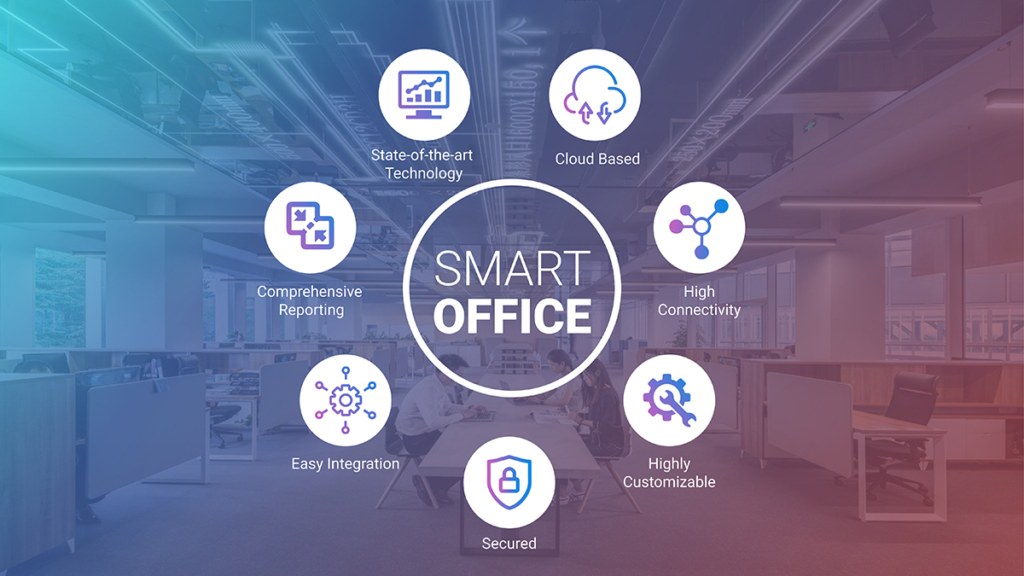
The phrase “smart office” can sound futuristic, but some of the technology is surprisingly practical.
Smart meeting rooms, digital room-booking systems, occupancy sensors, connected devices, automated lighting, and energy-management systems can all help offices operate more efficiently.
For example, imagine arriving at an office and being able to see which meeting rooms are available without walking around looking for one.
Or consider a company discovering that certain office areas are rarely used and adjusting its workspace accordingly.
The purpose of smart office technology isn’t to make an office look futuristic.
It is to make the workplace more comfortable, efficient, and useful.
Employee Learning Will Become More Personalized
Learning at work is changing too.
Employees no longer have to wait for an annual training session to learn something new. Online courses, digital learning platforms, interactive lessons, and AI-supported learning tools can make professional development much more flexible.
This is particularly important because workplace skills are changing quickly.
Someone who learned one software program several years ago may now need to learn another. A marketer may need data skills. A manager may need to understand AI. A content professional may need to learn new digital publishing tools.
Instead of asking employees to know everything from the beginning, companies can help them keep learning as their roles develop.
And from an employee’s point of view, that is good news.
You don’t necessarily need to start your career with every skill you will ever need. You need to be willing to keep learning.
Employee Experience Technology Will Get More Attention
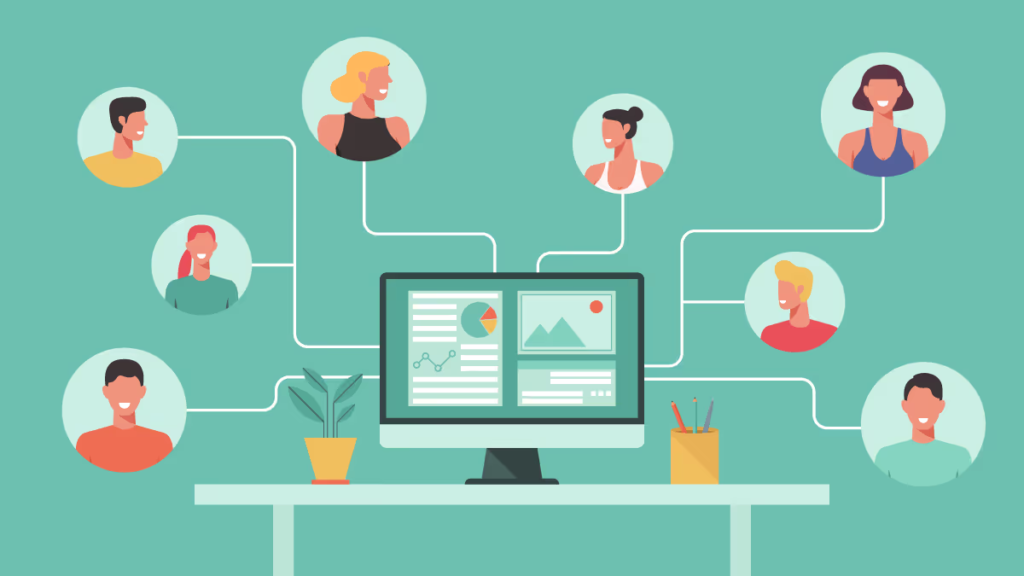
Not every workplace technology is about productivity.
Some of the most useful tools simply make employees’ lives easier.
Digital onboarding platforms, online leave systems, internal communication tools, employee feedback platforms, training portals, and workplace support systems can remove a lot of small administrative frustrations.
Think about starting a new job.
There may be documents to complete, policies to understand, people to meet, software to access, and information to find. A well-designed digital onboarding system can bring many of those things together.
That creates a much smoother first impression.
Technology should not make employees feel like they are constantly filling out forms or learning complicated software. Good employee technology should simplify the experience.