
There are mornings when your body is awake, but your brain clearly has not received the message yet. You sit down to work, open your laptop, and suddenly remember three other things you need to do. Then your phone lights up. One notification turns into five minutes of scrolling, and before you know it, half an hour has gone by.
Most of us blame a lack of focus when this happens. Sometimes that is true. Other times, we are simply tired, stressed, dehydrated, or running on an empty stomach.
The food we eat is not a magic solution for every concentration problem. Still, it plays an important part in overall health, and what you regularly put on your plate can support the way your body and brain function.
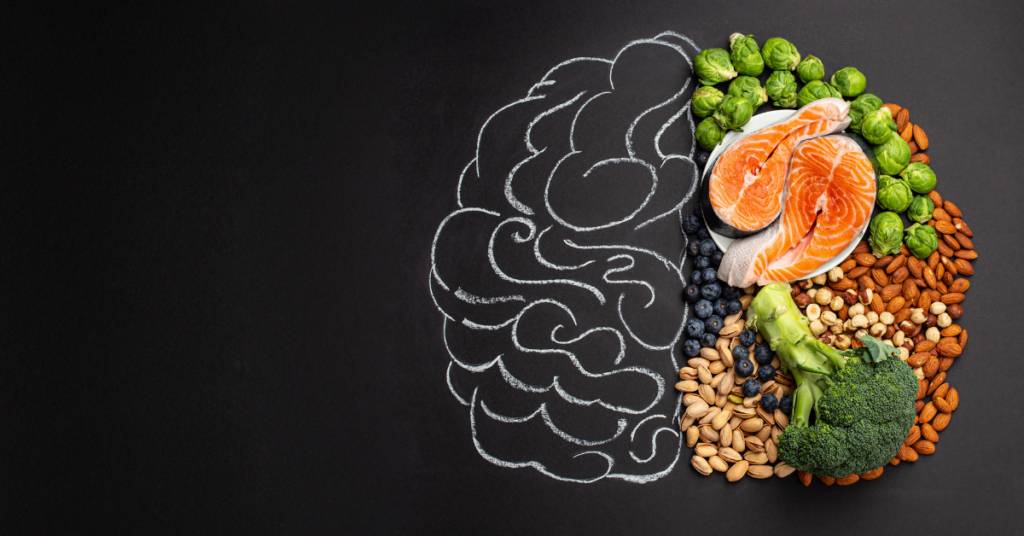
That is why talking about brain foods for 2026 does not have to mean looking for one miracle ingredient. A more sensible approach is to build meals around nourishing foods that you can actually enjoy and keep eating regularly.
You do not need a complicated diet. You do not need a cupboard full of expensive powders. And you certainly do not need to feel guilty every time you eat something just because it is not considered a “perfect” food.
Good brain-friendly nutrition can be much simpler than that.
Can Food Really Help With Focus and Memory?
This is probably the first question most people have.
The honest answer is that food can support brain health, but it cannot turn your memory on like a switch. Eating a particular fruit in the morning does not mean you will suddenly remember everything you studied last night.
What matters more is the bigger pattern.
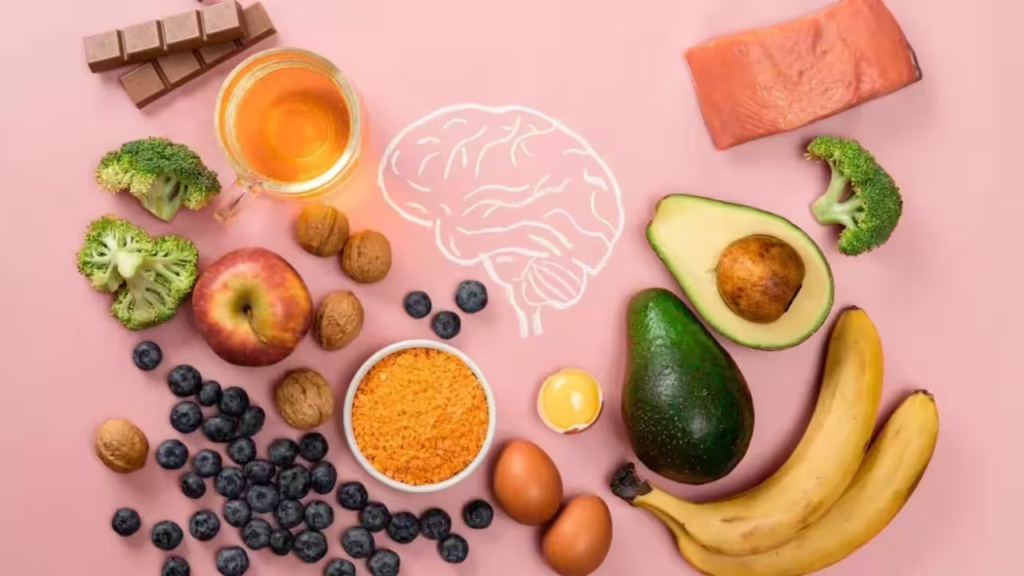
A diet that regularly includes vegetables, fruits, whole grains, beans, nuts, seeds, healthy fats, and suitable sources of protein gives your body a wide range of nutrients. Healthy eating patterns have also been studied in connection with long-term cognitive health.
So instead of looking for a single “smart food,” think about your normal week. What do your breakfasts look like? Are you eating proper meals or mostly snacking between tasks? Do you regularly include vegetables? Are you getting enough protein and fiber?
Those questions are much more useful.
Your Brain Needs More Than Coffee
Coffee has become almost synonymous with productivity. For many people, the first thought in the morning is not breakfast. It is caffeine.
There is nothing wrong with enjoying coffee. Caffeine can help people feel more alert for a while, which is one reason it is so popular.
The problem starts when coffee becomes breakfast, lunch becomes an afterthought, and an afternoon energy crash leads to another large cup.
Your brain still needs nourishment. A cup of coffee may make you feel more awake, but it cannot replace a balanced meal.
Try looking at coffee as something you enjoy alongside your routine, rather than the thing keeping your entire day together.
Leafy Green Vegetables Are Simple but Valuable
Spinach, methi, mustard greens, kale, broccoli, and other green vegetables are common recommendations for a healthy diet. They provide fiber, vitamins, minerals, and a variety of plant compounds.
The best part is that you do not need to make them complicated.
Add spinach to dal. Make methi paratha or roti. Cook a simple mixed-vegetable sabzi. Put some greens into soup. Even a small serving is better than treating vegetables like something that only belongs on a “diet” menu.
This is where traditional home cooking can actually make healthy eating easier. Many everyday meals already contain vegetables, lentils, grains, and spices. Sometimes the solution is not to completely change your food, but to bring more balance to what you already eat.
Fruits Can Be Your Brain Easiest Snack
When people hear the phrase “brain food,” they often immediately think about berries.
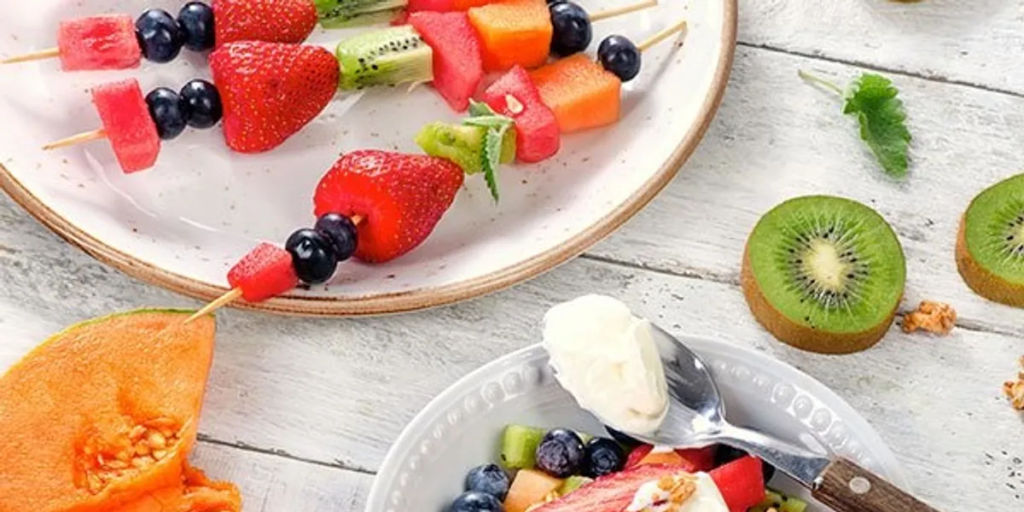
Berries are certainly popular in nutrition research, especially because they contain flavonoids and other plant compounds. But you do not need to eat imported blueberries every day to have a healthy diet.
Fruit can be wonderfully simple.
Have an apple when you are hungry in the afternoon. Cut up some papaya after lunch. Eat an orange in season. Keep bananas around for days when you need something quick.
The easier a healthy choice is, the more likely it is to become part of your routine.
There is also something satisfying about having fruit ready to eat when you are busy. You do not need a recipe, a blender, or twenty minutes in the kitchen.
Nuts Are Small, but They Pack a Lot Into One Brain Snack
A small portion of nuts can be a practical choice when hunger appears between meals.
Almonds, walnuts, pistachios, and other nuts provide a combination of healthy fats, protein, fiber, and micronutrients. Walnuts are often discussed in relation to brain health because they contain the omega-3 fat ALA.
But there is no need to turn this into a daily challenge where you count every walnut.
Just think of nuts as one useful food to keep around. You can add them to oats, yogurt, salads, or simply eat a small handful as a snack.
They are particularly handy on busy days when the temptation to reach for packaged snacks is strong.
Fish and Healthy Fats
For people who eat fish, fatty fish such as salmon, sardines, and mackerel provide omega-3 fatty acids, including DHA and EPA.
These fats are important to the body, and fish is commonly included in eating patterns associated with heart and brain health.
But again, it is the overall diet that matters.
Eating fish once does not transform your memory. The same applies to taking one spoonful of a fashionable oil or buying an expensive supplement.
Think about your diet as a collection of small choices that work together.
Healthy fats can come from fish, nuts, seeds, and other foods. There is room for variety, and there is no need to become obsessed with one ingredient.
Whole Grains Can Make a Difference to Everyday Meals
Whole grains are another easy addition to a balanced diet.
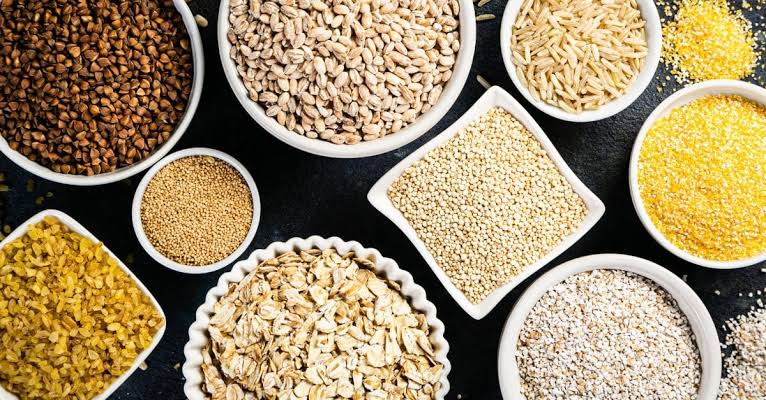
Oats, whole-wheat foods, brown rice, and other whole grains contain fiber and provide carbohydrates that can be part of satisfying meals.
This does not mean you have to suddenly remove white rice or regular roti from your kitchen.
That kind of all-or-nothing thinking makes healthy eating harder than it needs to be.
You could simply choose whole-grain options more often or combine your regular grains with plenty of vegetables, lentils, and protein.
A balanced plate matters more than creating a “perfect” plate.
Never Underestimate Dal and Beans
There is something almost funny about how often we look for complicated health foods while ignoring foods we have eaten for generations.
Dal, chickpeas, rajma, peas, and other beans are nutritious, filling, and extremely versatile.
They provide protein and fiber and can easily become part of lunch or dinner.
Dal with rice and vegetables is not a boring meal from a brain-health perspective. It is simply a normal, balanced meal that gives your body a mixture of nutrients.
You do not need every healthy meal to look like something from a wellness advertisement.
Sometimes a homemade bowl of dal is exactly the kind of everyday food you need.
What About Yogurt and Other Dairy Foods?
Yogurt, milk, and other dairy foods can also be part of a balanced eating pattern, depending on your dietary preferences and individual needs.
Yogurt can be especially convenient because it works with fruit, oats, nuts, or meals where you want something cool and simple.
Again, the goal is not to find the one food with the most impressive reputation.
A healthy diet is built from many ordinary foods working together.
Dark Chocolate Sounds Exciting, but Keep It Real
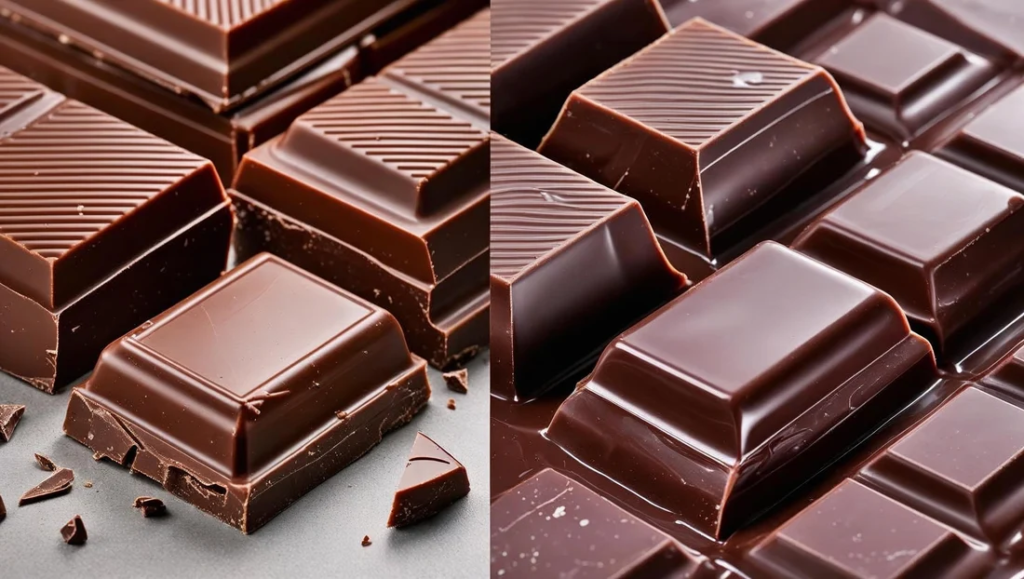
Dark chocolate often gets promoted as a brain-friendly treat because cocoa contains flavanols.
That sounds like excellent news for anyone who loves chocolate.
Still, it is worth keeping some common sense in the picture. Dark chocolate is still a treat, and many chocolate products contain added sugar and plenty of calories.
You can enjoy a small amount because you like it. There is no need to eat half a bar because somebody online called chocolate a “brain food.”
Nutrition becomes much easier when you stop treating every food as either completely good or completely bad.
Foods to Eat Less Often
A healthy diet is not only about what you add. Sometimes it is about noticing what has become too normal.
Sugary drinks, highly processed snacks, fried foods, and heavily packaged convenience foods can be enjoyable, but relying on them too often can crowd out more nutritious options.
That does not mean you should never have chips, sweets, fried snacks, or dessert.
Real life includes birthdays, festivals, movie nights, restaurant meals, and cravings.
Healthy eating should leave room for those moments.
The difference is in what you eat most of the time.
Hydration Is Easy to Forget
You can spend hours working at a desk and suddenly realize that you have barely had any water.
It is such a simple thing, but busy days make simple things surprisingly easy to ignore.
Keep a bottle nearby. Take regular drinks throughout the day. Pay attention to your body’s thirst and your usual routine.
You do not need to force extreme amounts of water just because someone online says more is always better.
A sensible hydration habit is enough.
What a Simple Brain-Friendly Breakfast Might Look Like
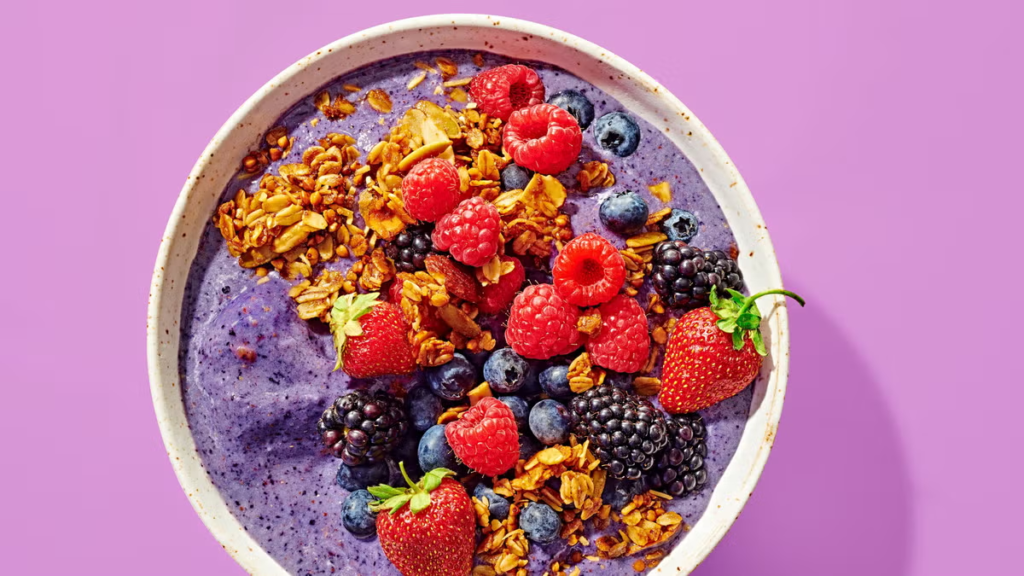
Breakfast does not have to become a complicated event.
You might have oats with fruit and nuts. You could eat vegetable poha with peanuts. An egg-and-toast breakfast might work for you. Yogurt with fruit and seeds can also be quick on busy mornings.
The exact meal matters less than the general idea of combining foods that provide different nutrients.
Starting the day with only a sugary drink may leave you searching for something else very soon. A more balanced breakfast can be easier to sustain.
Healthy Eating Does Not Need to Be Perfect
This may be the most important advice in the entire article.
Do not turn nutrition into another source of stress.
One unhealthy meal does not ruin your health. Missing vegetables at lunch does not mean you have failed. Having dessert does not cancel everything nutritious you ate earlier.
What matters is the pattern.
Think about what you usually eat across a week rather than judging yourself by one meal.
The Best Brain Foods May Already Be in Your Kitchen
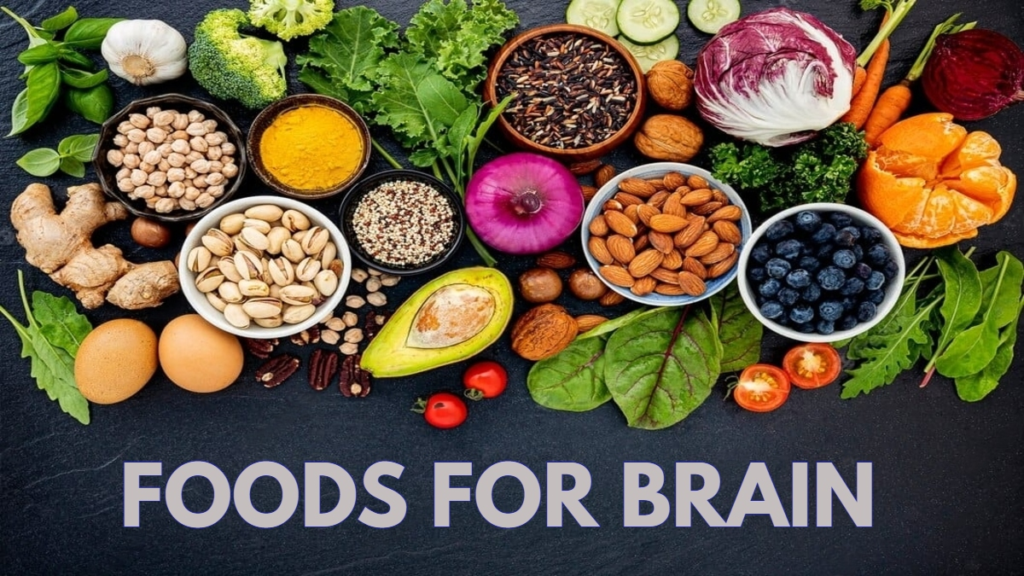
There is something comforting about realizing that supporting your health does not require a completely new lifestyle.
You may already have spinach in the fridge, dal in the pantry, fruit in the kitchen, and nuts sitting on a shelf.
You may already be eating many foods that fit into a balanced diet.
The goal is not to suddenly become the person who weighs every ingredient and thinks about nutrition all day.
It is simply to notice opportunities to eat a little better more often.
That is enough.