
Let’s pause for a second and think about what a typical Tuesday morning looked like just a few years ago. If you cast your mind back to the early 2020s, the routine was grueling. Millions of people woke up at the crack of dawn, crammed themselves into bumper-to-bumper traffic or suffocating subway cars, rushed into an overlit, freezing office building, and sat under humming fluorescent bulbs for eight straight hours. We traded our health, our quiet mornings, and our sanity just to sit in a cubicle and type emails on a screen that looked identical to the one we had at home.
Back then, life felt like a frantic scramble to squeeze our families, our hobbies, and our basic physical needs into the tiny, exhausted margins of a traditional nine-to-five schedule.
Then came the massive, turbulent shifts. We weathered digital experiments, unexpected global disruptions, economic tremors, and an absolute explosion of automation tools that terrified people into thinking robots were about to take every human job on Earth.
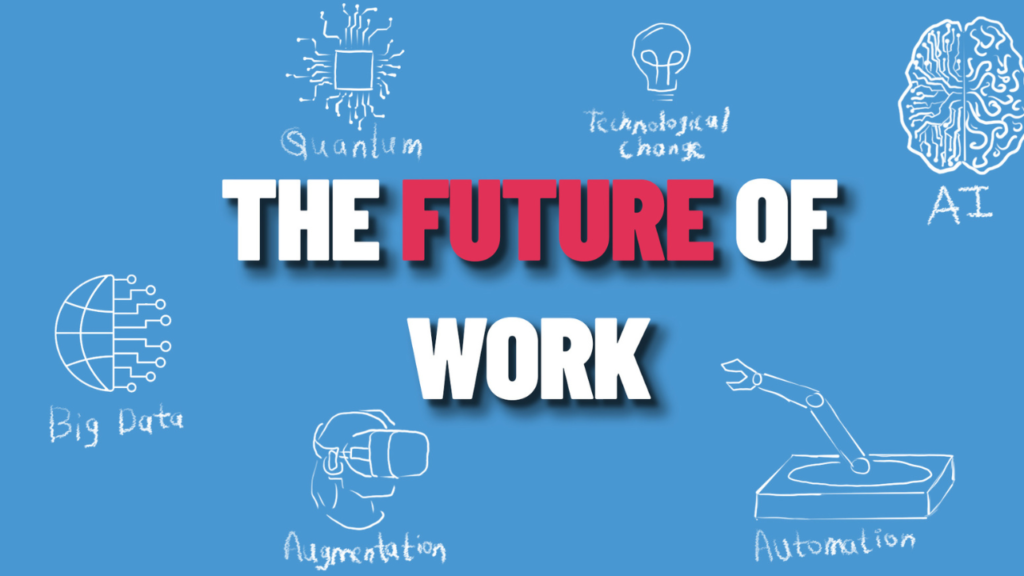
Now, stepping right into the heart of 2026, the dust has finally settled. What we are living through right now is not some cold, sci-fi dystopia run entirely by unfeeling algorithms. Instead, it is a deeply nuanced, highly human professional landscape. The modern workplace of 2026 is defined by a delicate, intentional dance between advanced technology, rich organizational culture, and an uncompromising demand for genuine work-life balance.
People are no longer willing to sacrifice their mental wellbeing, their family dinners, or their physical health on the altar of corporate productivity. Companies are finally waking up to a simple, undeniable truth: sustainable business success is completely dependent on treating employees like whole, breathing human beings rather than replaceable cogs in a giant corporate machine.
Let’s take a deep, honest look at how technology, culture, and life balance are completely reshaping where and how we work today.
Technology as an Exhaust-Valve, Not a Master
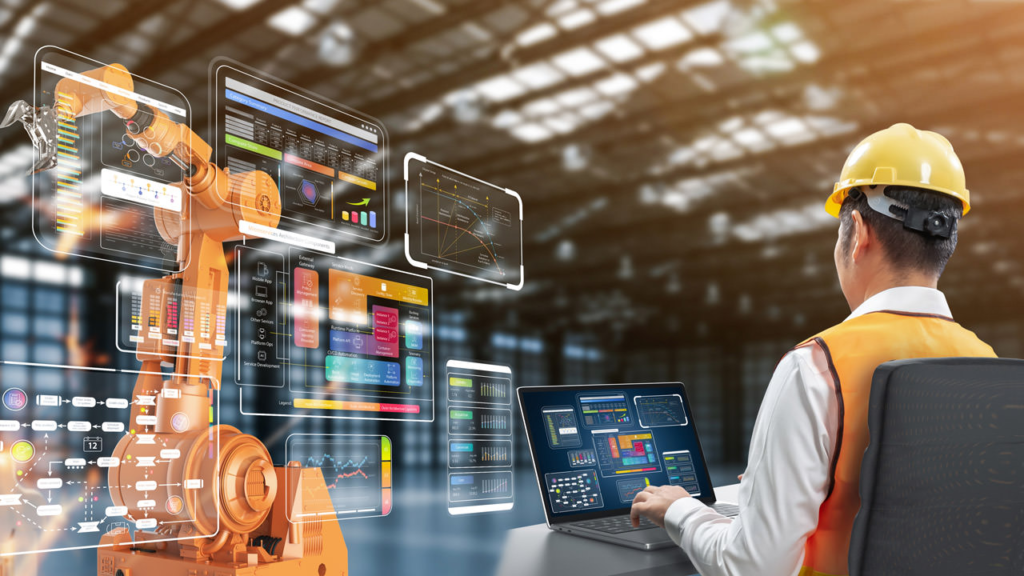
A few years ago, the conversation around artificial intelligence and office automation sounded like a horror movie trailer. Headlines shrieked about mass unemployment, digital surveillance, and algorithms taking over every creative and analytical field. But if you look at the actual technological reality of our daily work lives right now in 2026, the picture is radically different.
Technology has officially stopped being a terrifying novelty and has settled into its rightful place: an integrated, seamless work partner that takes the weight off our shoulders.
Delegating the Administrative Nightmare
Think about the sheer volume of mindless administrative tedium that used to consume half of our working week. We spent hours sorting through endless email threads, formatting messy spreadsheets, trying to schedule meetings across six different time zones, and drafting routine, repetitive reports. It was soul-crushing busywork that left zero energy for actual deep thinking.
Today, smart workflow automation and AI assistants handle those friction points quietly in the background.
Offloading the repetitive tasks: Digital agents manage data organization and routine scheduling so human workers can focus their energy where it actually counts—on creative problem-solving, emotional nuance, and big-picture strategy.
Quieting the digital noise: Instead of pinging us with constant, frantic notifications, modern platforms are built to reduce digital clutter. We spend less time drowning in chats and more time executing meaningful, focused work.
Continuous skill growth: The organizations winning right now are the ones investing heavily in continuous learning. Workers aren’t being replaced; they are being upskilled, learning how to direct digital tools creatively rather than fearing them.
Technology is no longer about corporate micromanagement or tracking every keystroke. It is about platform enablement—giving workers the right digital instruments to do their jobs cleanly, securely, and without unnecessary panic.
Culture in a Distributed World (Beyond Free Coffee and Ping-Pong)
Building a healthy workplace culture used to be lazy. For decades, companies thought company culture meant putting everyone in the same physical building, offering a stale bowl of fruit in the breakroom, putting a ping-pong table in the corner, and calling it a “family.”
The permanent normalization of hybrid and distributed work completely shattered that lazy illusion.
In 2026, culture cannot be propped up by mandatory office pizza parties or forced happy hours. It has to be deeply intentional, digital-first, and rooted in absolute psychological safety.
The Maturity of the Hybrid Model
The initial, bitter culture wars between employers demanding a full return to the office five days a week and employees fighting tooth and nail for remote freedom have finally matured. Companies realized that forcing a rigid, one-size-fits-all attendance policy destroys trust and drives top-tier talent straight to competitors.
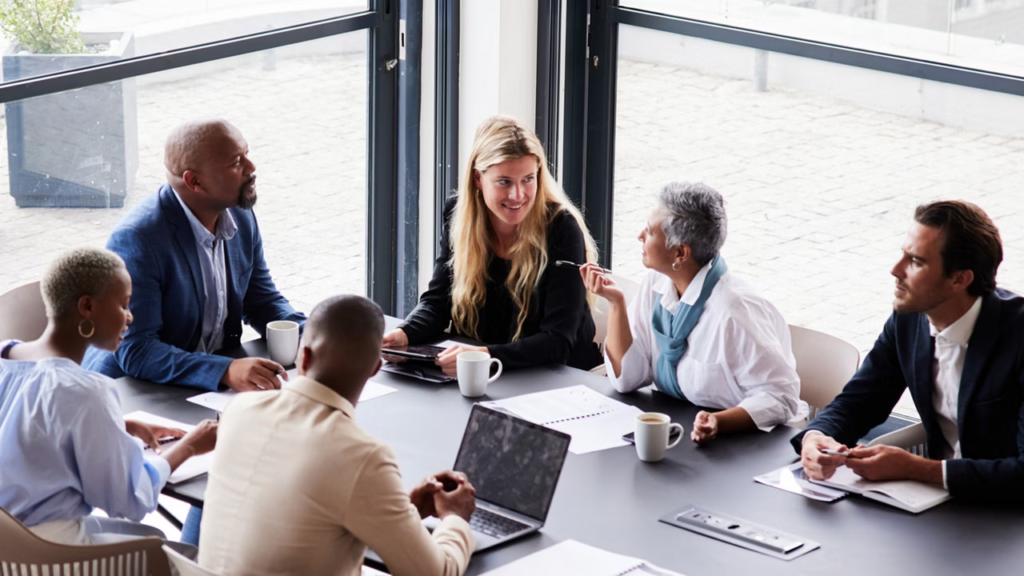
Intentional in-office time: When teams do gather physically in shared co-working spaces or regional office hubs today, nobody sits on individual laptops typing emails. Those days are dead. In-person time is now reserved exclusively for whiteboarding big ideas, creative workshops, on boarding new team members, and building genuine human bonds over lunch.
Asynchronous trust: Modern team culture relies heavily on clear, centralized documentation and asynchronous workflows. Because team members might be logging in from different cities, different countries, or entirely different schedules, crystal-clear writing and documentation have completely replaced the old habit of hovering over someone’s desk.
Belonging over buzzwords: Inclusion is no longer just a corporate buzzword slapped onto an annual HR slide deck. Smart organizations actively audit pay equity, maintain transparent promotion pathways, and foster real community support networks that tie directly into business innovation.
A great workplace culture today feels less like a corporate panopticon and more like a supportive ecosystem where people feel seen, heard, and trusted to manage their own hours.
Work-Life Balance as a Non-Negotiable Metric
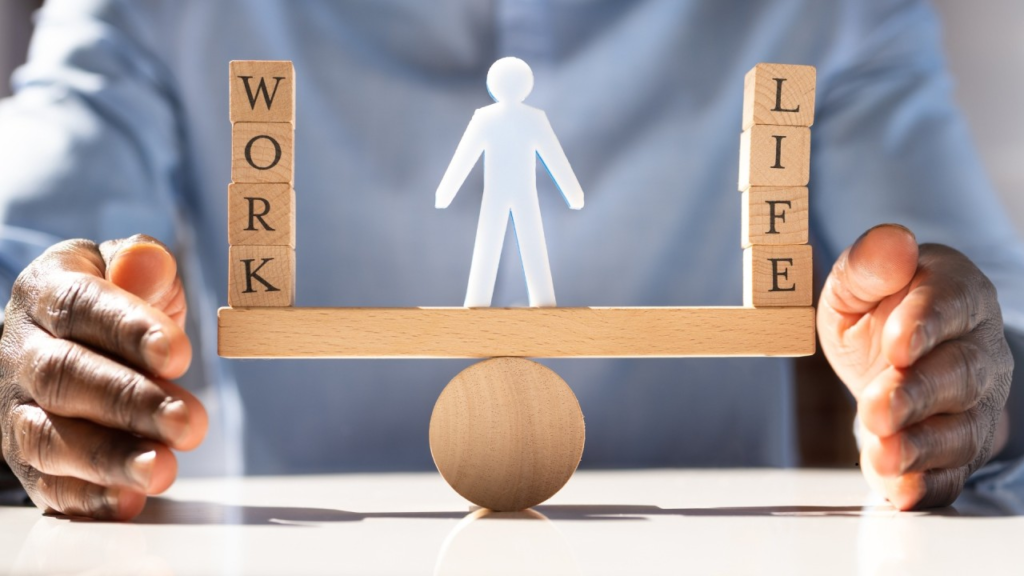
Perhaps the most profound, permanent shift of our current era is the complete reframing of human wellbeing. Not long ago, mental health days and burnout prevention were treated as nice-to-have perks—an afterthought mentioned briefly during on boarding before diving straight into a 60-hour work week.
Today, employee wellbeing is tracked as a core pillar of sustainable business performance. Employees made their boundaries crystal clear: a paycheck alone is no longer enough to justify chronic stress, weekend panic attacks, and wrecked personal lives.
Building an Integrated System of Care
Forward-thinking companies are weaving wellbeing directly into the daily operating rhythm of the business rather than treating it as a superficial HR gimmick:
Workload and hour monitoring: Leaders are actively evaluated on how many hours their teams log, how frequently messages are sent after dark, and whether people are actually taking their allocated paid time off without guilt.
Holistic support systems: Mental health resources are paired with practical financial wellness programs, family caregiving support, flexible scheduling, and backup care. Burnout is finally treated for what it actually is: a systemic operational failure of management, rather than a personal weakness of the employee.
The death of the rigid 9-to-5: The rigid hours of the past century are rapidly giving way to outcome-based performance. Whether someone completes their creative tasks at 6:00 AM before their children wake up or finishes a coding sprint late in the evening matters far less than the quality of the output and their overall peace of mind.
When companies genuinely protect the personal lives of their workforce, voluntary turnover drops drastically, absenteeism plummets, and genuine creativity flows naturally.
The Human Economy and the Value of Soft Skills
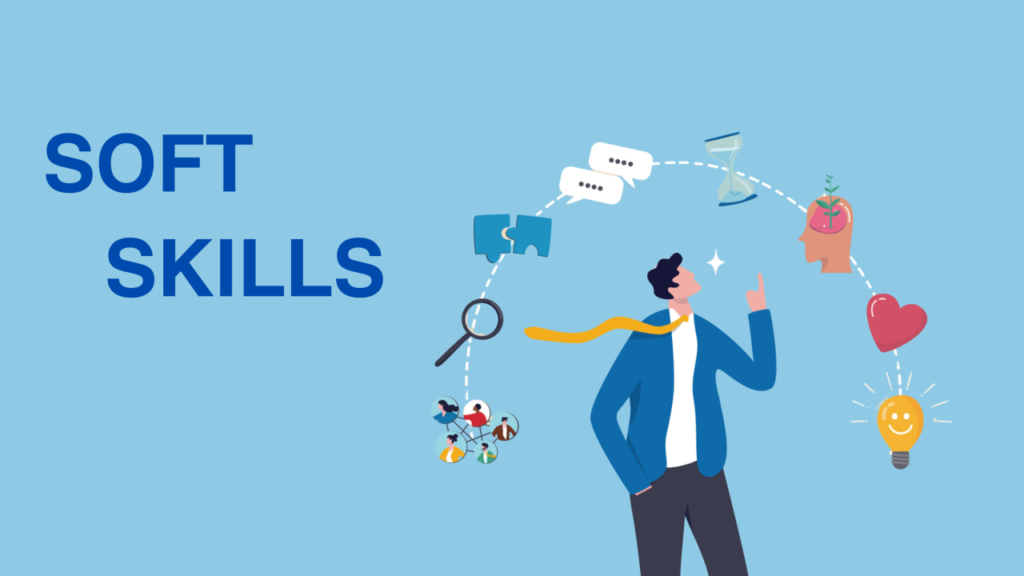
As artificial intelligence and automated systems take over repetitive data processing and routine cognitive tasks, a fascinating counter-trend has taken root across the global labor market. We are officially transitioning away from a sterile, purely technical knowledge economy into a vibrant human economy.
In this new era, the skills that command the highest value and respect are precisely the ones that machines can never replicate: profound empathy, complex judgment, ethical reasoning, cross-cultural trust, and authentic leadership.
Managerial empathy over micromanagement: Managers are no longer rewarded solely for hitting hard numerical targets while treating their staff like disposable machinery. Leadership development focuses heavily on emotional intelligence, active listening, and spotting the early warning signs of employee fatigue before it breaks someone.
Mentorship and human connection: With teams distributed across screens and geographies, intentional mentorship programs have become the lifeblood of career development. Passing down wisdom, fostering junior talent, and creating a sense of shared purpose cannot be automated by a language model.
Resilience and adaptability: The fast, constant pace of change means that an employee’s specific technical degree matters far less than their innate curiosity, willingness to learn, and psychological resilience in the face of shifting business landscapes.
FAQ’s
1. What is the future of the workplace in 2026?
The workplace in 2026 is increasingly shaped by digital technology, flexible work arrangements, evolving workplace culture, and greater attention to employee experience.
2. What are the biggest workplace trends in 2026?
Key trends include AI and workplace technology, hybrid work, flexible schedules, digital collaboration, employee wellbeing, and continuous skill development.
3. How is technology changing the workplace?
Technology is changing how employees communicate, collaborate, automate routine tasks, manage information, and complete their daily work.
4. Will remote and hybrid work continue in 2026?
Remote and hybrid work remain important workplace models, although the way organizations use them can vary significantly by industry and job role.
5. Why is workplace culture important?
A positive workplace culture can influence collaboration, communication, employee engagement, and how people experience their working environment.