

Let’s be completely honest with each other for a moment. Have you ever scrolled through your phone, looked at hundreds of pristine, ultra-sharp, hyper-processed images, and felt… nothing? Just an empty, hollow glass-screen fatigue?
You aren’t alone. For years, the digital photography world chased an impossible ghost: clinical perfection. We wanted zero noise, razor-thin depth of field, poreless skin, and colors so loud they practically screamed at you. But somewhere along the way, we accidentally squeezed all the oxygen out of the room. We traded genuine human breath for algorithmic symmetry.
A massive, quiet revolution is sweeping through the creative world. Photographers, filmmakers, and everyday storytellers are finally putting down the obsession with technical flawlessness and looking back toward the dirt, the rain, the grain, and the messy, beautiful truth of being alive. This guide isn’t about buying a more expensive camera body or downloading another plug-in. It’s about remembering how to feel when you look through a lens. It’s about bringing our cameras back down to earth, listening to the whisper of the wind in the pines, and letting our own human intuition steer the ship.
The Death of Plastic Perfection: Why We Crave the Flawed
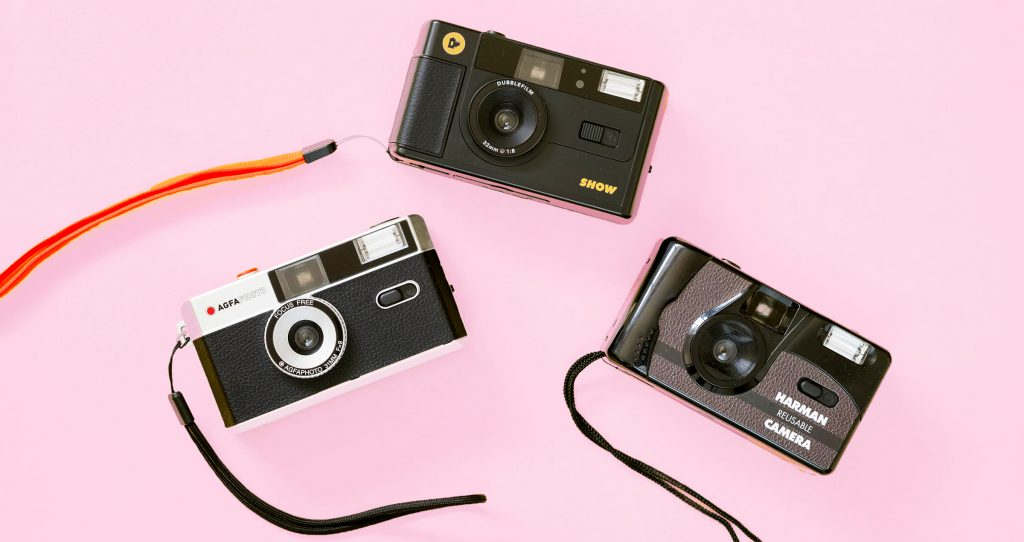
If you look at the portfolios of the most exciting visual artists right now, a striking pattern emerges: they are intentionally making their work look more organic, more tactile, and yes, even a little rough around the edges.
We are living through what many are calling the great Lo-Fi Rebellion.
The Return of Real Grain: For a long time, software developers spent millions of dollars engineering noise-reduction algorithms to strip every speck of grain from a sensor. Today? Creators are layering digital and physical grain back in. Why? Because grain is a fingerprint. It whispers to our brains, “A human being stood in this exact spot, in the damp morning chill, and pressed the shutter.”
Embracing Motion Blur and Light Leaks: Instead of freezing every single millisecond with a lightning-fast shutter speed, photographers are letting life smear across the frame. A blurred hand reaching for a coffee cup, a streak of amber headlights cutting through evening drizzle—these choices capture the actual feeling of movement rather than a sterile freeze-frame.
The Tactile Weight of Imagery: We miss physical things. In a digital ether, textured photography gives our eyes something substantial to chew on.
When I press the shutter button, I don’t want a computer to guess what a memory looks like. I want my own clumsy, imperfect perspective to anchor the frame. The little mistakes—a tilted horizon, a stray hair blowing across a face—are often where the soul actually lives.
Rooted in the Earth: The Organic Eco-Aesthetic
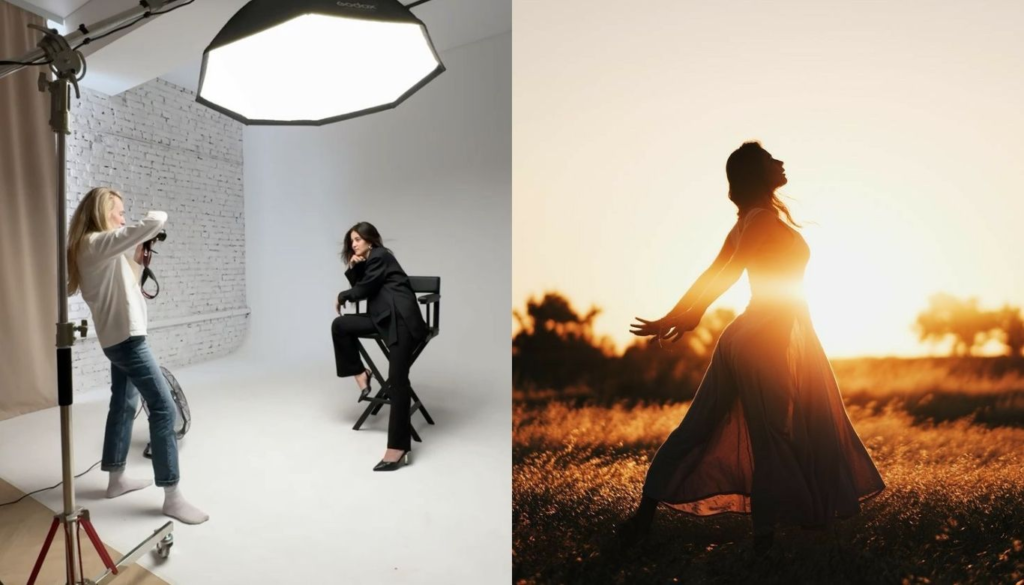
As our lives become increasingly wrapped around glowing glass rectangles, our collective visual appetite is starving for nature. We want to taste the soil, smell the petrichor, and feel the raw texture of unpainted wood. Visual creativity in 2026 draws its deepest inspiration straight from the natural environment.
Earthy, Subdued Palettes: Say goodbye to neon-saturated greens and electric blues that burn your retinas. The dominant tones of 2026 are organic and grounded: deep forest moss, weathered driftwood gray, clay terracotta, soft mushroom browns, and the muted sage of a damp meadow. These colors don’t shout; they invite you to lean in closer.
Sunlight as a Living Organism: Artificial studio lighting can feel intensely sterile. Today’s creators are leaning entirely into natural diffusion—how golden hour light filters through a thick canopy of cedar branches, or how soft, overcast gray light wraps around a subject like a wool blanket. We are learning to study the weather before we study the histogram.
Environmental Intimacy: Portraiture has fundamentally shifted. Instead of dragging people into sterile white-box studios, we are photographing them knee-deep in overgrown river grass, hands stained with garden dirt, or standing quietly against the rough, fissured bark of an ancient oak tree. The environment isn’t just a background anymore; it is an active character in the story.
AI as the Intern, Not the Artist
We have to talk about the elephant in the room. Artificial intelligence is everywhere in 2026. But the panic has subsided, replaced by a much healthier, deeply human reality: AI is a fantastic tool, but a terrible artist.
Photographers have learned to treat AI systems not as creative masterminds, but as tireless, slightly literal-minded interns who handle the grunt work.
Offloading the Exhausting Chore Work: Let’s be real—nobody actually loves batch-culling three thousand RAW files, masking complex hair strands against a complex background, or sorting initial exposure brackets. Handing those tedious chores to software frees up precious mental energy.
Protecting the Sacred Spark: Because the heavy computational lifting happens backstage, the human creator can spend 100 percent of their focus on what actually matters: emotional timing, empathy, narrative tension, and genuine connection with the subject.
The Uncopyable Human Lump in the Throat: An algorithm can simulate thousands of pixels of cinematic light, but it can never feel the tightening in your chest when an elderly couple shares a quiet glance across a kitchen table. That lived experience, that empathy, and that intuition remain entirely, fiercely human.
Crafting Narrative Over Rigid Composition Rules
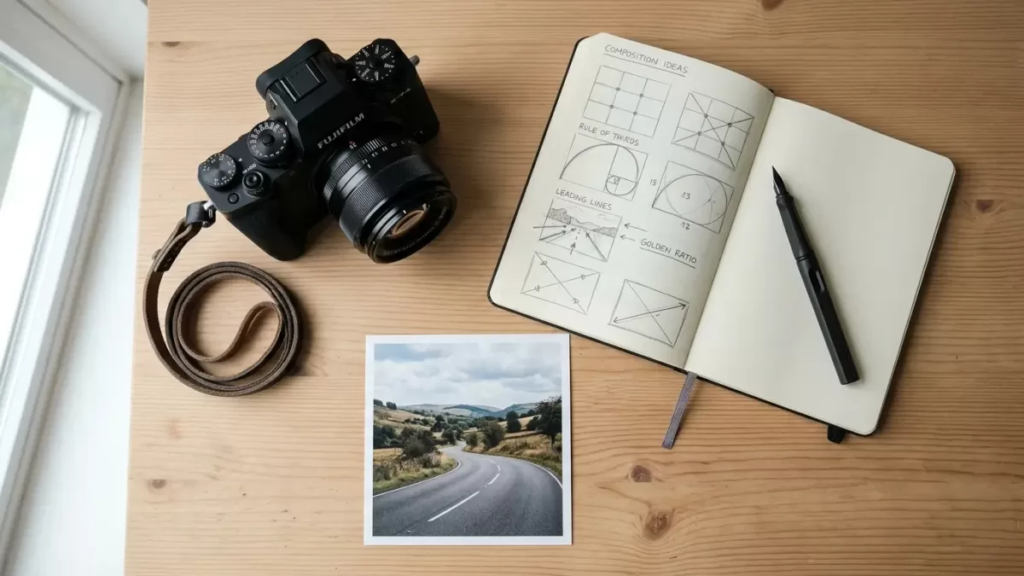
For generations, photography textbooks drilled rigid laws into our heads: the strict rule of thirds, absolute symmetry, level horizons, and textbook golden ratios. While those tools are helpful training wheels when you are starting out, 2026 creativity relies on narrative tension over robotic compliance.
Intimate, Uncomfortable Framing: Don’t be afraid to crop tightly into a moment. Cut off the top of someone’s head, let a hand drift completely out of focus in the foreground, or focus obsessively on a scar, a ring, or a cup of steaming tea. Make the viewer feel like an eavesdropper sitting right there in the room.
Asymmetrical Energy: Real life is rarely centered. The most magnetic photographs often feel slightly off-balance, mirroring the messy, unpredictable rhythm of human days.
The Power of the Sequential Story: Instead of treating every single photograph as an isolated, standalone trophy destined for an endless scroll, creators are building visual essays. They are stringing together three or four quiet frames—a wide shot of the misty valley, a close-up of wet ferns, a portrait of a tired face—to tell a complete story from beginning to end.
FAQ’s
1. What is visual creativity in photography?
Visual creativity means using composition, light, color, perspective, and ideas to create unique and engaging photographs.
2. How can I improve my photography skills in 2026?
Practice regularly, experiment with different angles, study composition, and learn how lighting affects your photos.
3. What are some creative photography ideas for beginners?
Try experimenting with shadows, reflections, close-up shots, nature, everyday objects, and unusual perspectives.
4. Why is lighting important in photography?
Good lighting can improve mood, detail, depth, and the overall visual quality of a photograph.
5. How can I make my photos more visually interesting?
Use creative composition, interesting backgrounds, different perspectives, contrasting colors, and strong focal points.