

There is a strange, paradoxical feeling that comes with walking into a modern house today. For years, the tech industry tried to convince us that the future of living meant turning our homes into cold, buzzing sci-fi spaces—houses packed with blinking blue LED lights, robotic vacuum cleaners clattering aggressively against baseboards, and complicated voice assistants that required a stiff, robotic command just to turn on a reading lamp. We were promised high-tech convenience, but what many of us actually felt was a growing sense of alienation. Our homes started to feel less like quiet sanctuaries and more like sterile server rooms.
But human beings are wonderfully stubborn creatures. We crave technology that serves our lives rather than demanding our constant attention and draining our mental energy.
As we settle into 2026, smart home technology has undergone a profound, much-needed evolution. The era of flashing gadgets and screaming voice commands is gently fading into the background. In its place, a new philosophy has taken root—one where technology steps quietly into the shadows, mimicking the effortless, natural rhythms of the earth. The best innovations this year don’t demand our focus; instead, they protect our peace, care for our ecosystems, and let us be more human.
Let’s walk through the rooms of the modern home and explore the smart technology trends defining 2026—not as dry spec sheets, but as living, breathing human habits.
Invisible Ambient Intelligence: Technology That Breathes Quietly
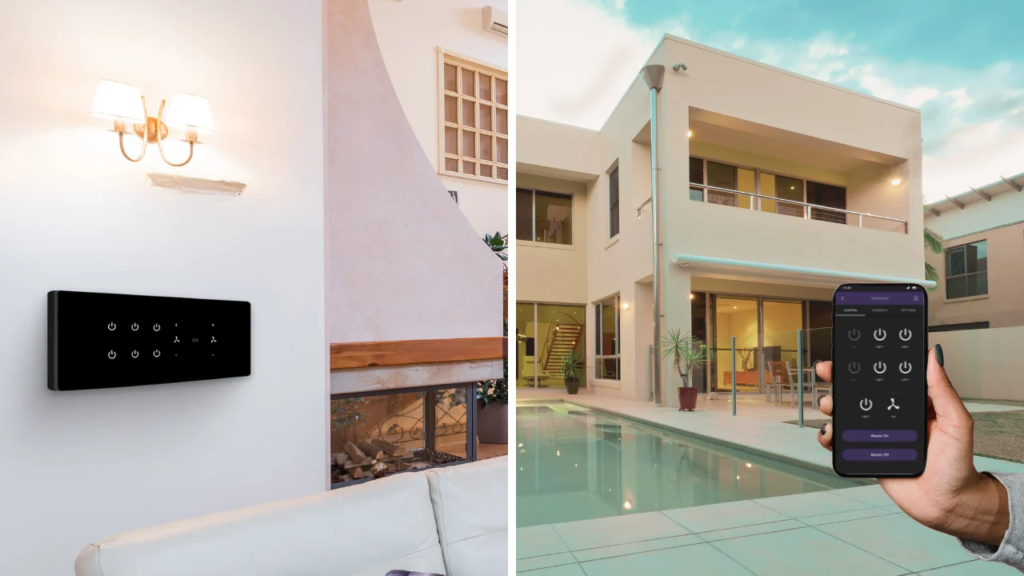
The loudest complaint about early smart homes was the sheer mental fatigue of management. Who wants to fiddle with an app on a glowing glass screen just to dim the living room lights or adjust the thermostat when you are already curled up under a heavy blanket on the sofa?
We are exhausted by screens and digital friction. By 2026, the gold standard of smart home design is radical invisibility. Technology is no longer something you actively use; it is something the house does intuitively, much like a forest adjusting its canopy to catch the afternoon sun or a river shifting its course around worn stones. Instead of intrusive motion detectors that click on and off or require you to wave your arms wildly in a dark hallway, modern rooms use subtle millimeter-wave radar and acoustic sensors. They can sense the quiet rise and fall of your breathing while you sleep, or notice the gentle pace of your footsteps as you wander into the kitchen at dawn. Your home now reads the room the way an old friend would, allowing natural twilight to spill through your windows while lighting shifts seamlessly without you ever touching a switch.
The Shift Toward Intuitive Living
We are exhausted by screens. By 2026, the gold standard of smart home design is radical invisibility. Technology is no longer something you use; it is something the house does intuitively, much like a forest adjusting its canopy to catch the afternoon sun or a river shifting its course around worn stones.
- Radar-Based Presence Sensing: Instead of intrusive motion detectors that click on and off or require you to wave your arms wildly in a dark hallway, modern rooms use subtle millimeter-wave radar and acoustic sensors. They can sense the quiet rise and fall of your breathing while you sleep, or notice the gentle pace of your footsteps as you wander into the kitchen at dawn.
- Contextual Harmony: Your home now reads the room the way an old friend would. As natural twilight spills through your windows, the lighting doesn’t switch on with a jarring click; it softens and shifts in tandem with the fading daylight, mirroring the golden hues of sunset without you ever touching a switch.
Bio-Adaptive Climate and Circadian Lighting: Tying Our Indoor Ecosystems to the Sun

For most of human history, our bodies were synchronized with the natural rise and fall of the sun. Industrial lighting and glowing digital displays completely broke that ancient biological compass, leaving millions of us chronically tired, restless, and disconnected from our circadian rhythms.
The smartest homes of 2026 act as biological bridges, bringing the outside world indoors. We finally understand that lighting and temperature shouldn’t just be set to a static, boring number on a wall thermostat; they should dance in harmony with the weather outside your window. Smart lighting systems now pull real-time weather data and solar tracking for your specific geographic coordinate to mirror natural daylight patterns. In the morning, they bathe your kitchen in crisp, cool daylight to help cortisol levels rise naturally. By evening, they warm into an amber, hearth-like glow that signals your nervous system to wind down. Predictive HVAC systems learn your body’s unique thermal patterns, factoring in seasonal shifts, humidity, and home insulation to keep the indoor climate as comfortable as a shaded forest grove on a warm summer afternoon.
Reconnecting with Natural Light Cycles
The smartest homes of 2026 act as biological bridges, bringing the outside world indoors. We finally understand that lighting and temperature shouldn’t just be set to a static, boring number on a wall thermostat; they should dance in harmony with the weather outside your window.
- Circadian LED Integration: Smart lighting systems now pull real-time weather data and solar tracking for your specific geographic coordinate. In the morning, they bathe your kitchen in crisp, cool daylight to help cortisol levels rise naturally. By evening, they warm into an amber, hearth-like glow that signals your nervous system to wind down.
- Predictive Thermal Comfort: Rather than waiting for you to shiver or sweat, bio-adaptive HVAC systems learn your body’s unique thermal patterns, factoring in seasonal shifts, humidity, and home insulation to keep the indoor climate as comfortable as a shaded forest grove on a warm summer afternoon.
Sovereign Privacy and Local Edge Computing: Reclaiming Our Digital Sanctuaries
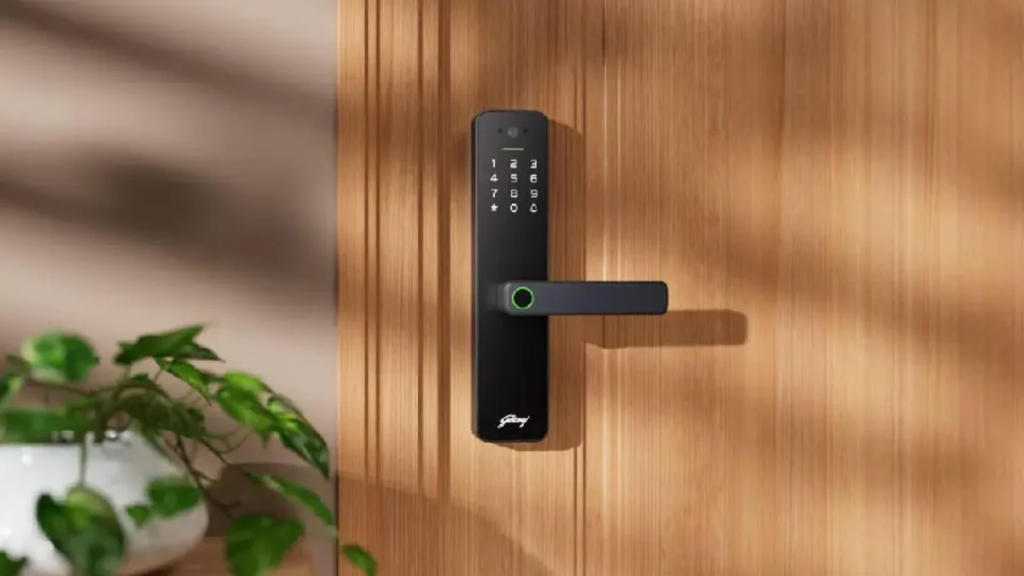
There was a time when inviting smart tech into your house meant streaming your private family conversations, daily routines, and floor plans up to massive corporate cloud servers halfway across the world. That unsettling trade-off is rapidly losing its appeal.
Your home is your final frontier of absolute privacy. People are no longer willing to trade their personal peace of mind for corporate convenience. We want smart features that keep our data locked firmly inside our own four walls, protected like a diary kept in a bedside drawer. Smart hubs manufactured in 2026 feature powerful local neural chips that process voice commands, facial recognition, and home automation entirely offline. Your camera footage and voice logs never leave your local router. If a winter storm knocks out your neighborhood fiber internet connection, your smart locks, automated window shades, local lighting, and security mesh continue working seamlessly. It’s a return to rugged, self-sufficient living, backed up by quiet silicon rather than distant servers.
The Need for Sanctuary
Your home is your final frontier of absolute privacy. People are no longer willing to trade their personal peace of mind for corporate convenience. We want smart features that keep our data locked firmly inside our own four walls, protected like a diary kept in a bedside drawer.
- On-Device Neural Processors: Smart hubs manufactured in 2026 feature powerful local chips that process voice commands, facial recognition, and home automation entirely offline. Your camera footage and voice logs never leave your local router.
- Zero-Cloud Resilience: If a winter storm knocks out your neighborhood fiber internet connection, your smart locks, automated window shades, local lighting, and security mesh continue working seamlessly. It’s a return to rugged, self-sufficient living, backed up by quiet silicon rather than distant servers.
Regenerative Energy and Micro-Grid Harmony: Living in Step with the Earth
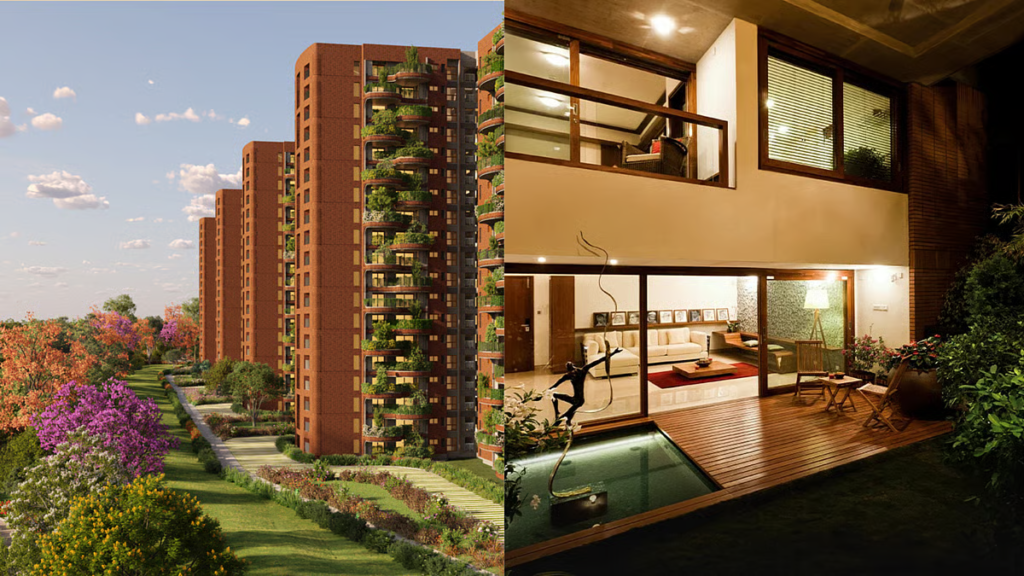
Climate anxiety and rising utility costs have forced a practical, soulful rethink of how our homes consume and store power. We are no longer passive consumers of electricity; we are active stewards of our own micro-ecosystems.
Just as tree roots draw water from the soil only when it is needed, our homes are learning to harvest, store, and sip energy intelligently. There is a deep, quiet satisfaction in knowing that the lamp lighting your evening reading session is powered by the sunlight that rested on your roof all afternoon. Smart electrical panels now coordinate seamlessly with localized weather forecasts. If a heavy autumn storm is rolling in, your home system automatically tops off your battery storage while dialing back high-energy appliances. Neighborhood micro-grids allow homes with excess solar generation to quietly share clean power with neighboring houses, fostering a sense of community and mutual resilience that mirrors ancient village cooperation.
Listening to Excellence in Natural Rhythms
Just as tree roots draw water from the soil only when it is needed, our homes are learning to harvest, store, and sip energy intelligently. There is a deep, quiet satisfaction in knowing that the lamp lighting your evening reading session is powered by the sunlight that rested on your roof all afternoon.
- AI-Managed Solar and Battery Flow: Smart electrical panels now coordinate seamlessly with localized weather forecasts. If a heavy autumn storm is rolling in, your home system automatically tops off your battery storage while dialing back high-energy appliances.
- Peer-to-Peer Energy Sharing: Neighborhood micro-grids allow homes with excess solar generation to quietly share clean power with neighboring houses, fostering a sense of community and mutual resilience that mirrors ancient village cooperation.
FAQ’s
1. What are the top smart home innovation trends in 2026?
Key trends include AI-powered automation, connected devices, smart security, energy management, and voice-controlled home systems.
2. How is AI changing smart homes?
AI can help smart home systems learn routines, automate tasks, and provide more personalized control.
3. What are smart home devices?
Smart home devices are connected products that can be monitored or controlled through apps, voice commands, or automated systems.
4. Can smart home technology help save energy?
Yes, smart thermostats, lighting, plugs, and energy-monitoring devices can help households manage energy use more efficiently.
5. Is smart home technology useful for home security?
Smart cameras, locks, doorbells, sensors, and alarms can provide additional monitoring and security features.