

Let’s be entirely honest with each other for a moment. How does your average Tuesday feel? If you are like most people navigating life right now, your days probably move at a breakneck speed. Between endless notification pings, professional demands, family duties, and the quiet, persistent pressure to always be “optimizing” yourself, it is easy to end up feeling completely scattered. We live in a world that tells us more is always better—more productivity, more speed, more screens, and more goals.
Yet, if you look closely at the cultural shift happening right now, a powerful counter-movement is taking root. People are quietly stepping off the relentless treadmill of hustle culture. They are realizing that chasing an endless checklist of achievements doesn’t automatically lead to happiness.
True fulfillment rarely comes from grand, sweeping life transformations. Instead, it is built quietly out of small, intentional choices, everyday presence, and a return to simplicity. Let’s explore some down-to-earth ideas for shaping a meaningful life philosophy that actually works in the real world.
Ditch the Hustle and Embrace the Art of Soft Wellness
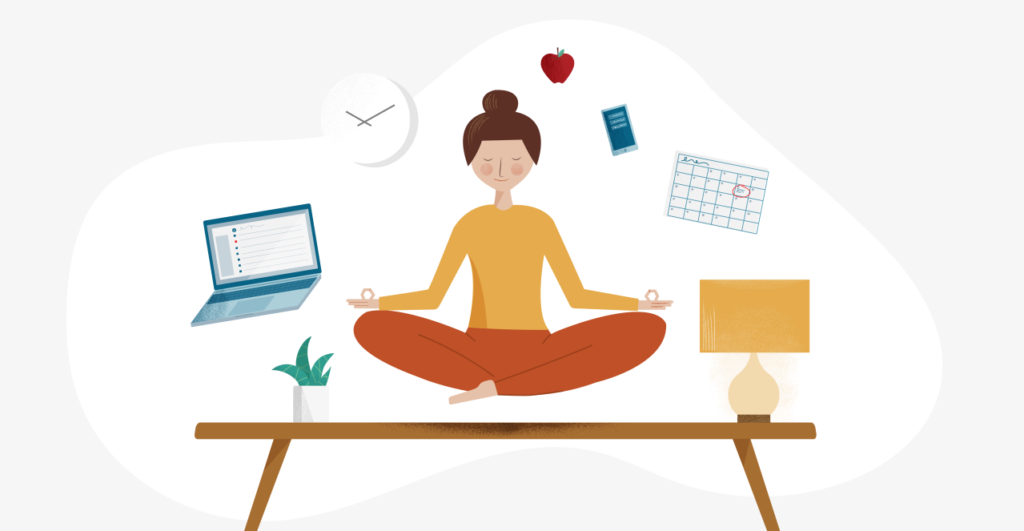
For years, society fed us the narrative that rest had to be earned. We were taught to treat our bodies and minds like high-performance machines that should run at maximum capacity all day, every day. If you weren’t working on a side hustle, learning a new skill, or checking off tasks, you somehow felt guilty.
The philosophy of soft wellness changes that narrative entirely. It recognizes that gentleness, slowness, and adequate rest are not signs of weakness or laziness—they are absolute biological requirements for a healthy mind.
Embracing this doesn’t mean you stop caring about your goals or ambitions. It simply means you stop treating yourself as an adversary. When you feel tired, your philosophy should allow you to rest without drowning in self-reproach. Treat your downtime as sacred, non-negotiable time. Protect your energy the way you protect your financial savings, because burnout is a tax you never want to pay.
The Lost Art of Doing Just One Thing at a Time
Remember when multitasking was listed as a superpower on every resume? We used to take pride in eating lunch while answering emails, listening to a podcast while talking to a family member, and keeping twenty browser tabs open at work.
Science and daily experience have finally caught up to what our nervous systems knew all along: multitasking is a myth. What we call multitasking is actually rapid, exhausting task-switching that fries our attention spans and leaves us feeling hollow at the end of the day.
A meaningful life philosophy makes room for the lost art of single-tasking:
- When you eat a meal, try putting away your phone and actually noticing the texture, temperature, and flavor of your food.
- When you are talking to a friend, give them your full, undivided attention instead of glancing down at your screen every thirty seconds.
- When you work on a single task, let the rest of the world fade into the background for twenty minutes.
When you give your complete presence to whatever is right in front of you, ordinary moments suddenly carry a surprising amount of depth and joy.
Reclaiming Unproductive Hobbies for Pure Joy

Somewhere along the path to adulthood, we managed to monetize or intellectualize almost everything we do. If you pick up a paintbrush, someone asks if you are selling your art. If you love baking, people suggest you start a food blog or turn it into a business. If you go for a run, you feel pressured to track your pace, heart rate, and mileage on an app.
This constant drive to turn every hobby into an achievement drains the soul right out of it.
To live more meaningfully, give yourself permission to have completely “pointless” hobbies. Do something solely because it feels good in your bones, with zero intention of showing it to anyone, monetizing it, or getting better at it. Doodle badly in a cheap notebook, learn three clumsy chords on an old guitar, plant some basil on your windowsill, or read a trashy novel just for fun. Protecting spaces in your life where performance does not matter is one of the greatest gifts you can give your mind.
Setting Gentle Boundaries with the Digital World
Our smartphones are engineering masterpieces designed to capture and hold our fragmented attention. While they connect us globally, they often disconnect us locally—pulling us away from the people sitting right across from us and flooding our brains with endless, low-grade stress.
You don’t need to throw your phone in a lake or move off the grid to find peace. What you need are a few compassionate, firm boundaries:
- The Morning Buffer: Give yourself twenty to thirty minutes of screen-free peace when you first wake up. Let your nervous system adjust to the morning light and a cup of tea before letting the entire internet flood into your thoughts.
- Notification Management: Turn off non-human alerts. Shopping apps, news flashes, and social media likes do not deserve to buzz in your pocket. If a real person isn’t trying to reach you about something urgent, let it wait.
- Physical Distance: When you sit down to eat or spend time with loved ones, place your phone face down across the room. Just seeing the silhouette of a phone on the table draws a fraction of your subconscious focus away from the human connection happening in front of you.
Practicing Everyday Gratitude Without the Clichés
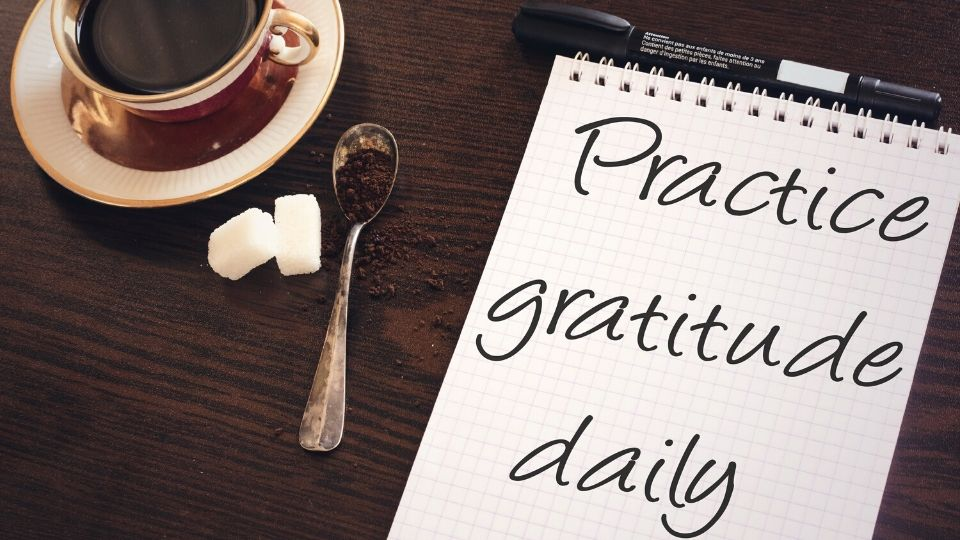
Gratitude often gets a bad reputation because it sounds like toxic positivity—the idea that you should just smile and ignore real problems. But authentic gratitude isn’t about ignoring hard times; it is about paying attention to the small goodnesses that quietly sustain us.
Consider trying a simple evening reflection or a micro-habit like the Japanese concept of Naikan, asking yourself three gentle questions at the end of the day:
What did someone do for me today, even in a small way?
What did I do to bring a bit of ease or kindness to someone else?
Where did I experience unnecessary friction or frustration that I can let go of?
This practice takes less than three minutes, but it completely rewires your perspective, shifting your focus away from daily annoyances and reminding you that you belong to a supportive human community.
Building a Life That Feels Good on the Inside
At the end of the day, your life philosophy doesn’t need to be written down in a leather-bound journal or posted on social media. It is simply the collection of quiet choices you make when nobody is watching.
You don’t need a massive overhaul to find meaning. Start with tiny, low-friction shifts: drinking your morning coffee in silence, taking a phone-free walk, learning to say a polite, guilt-free “no” to things that drain you, and treating yourself with the same kindness you would offer a tired friend.
Build a life that looks a little less impressive on a screen, and feels immeasurably richer, calmer, and more human on the inside.
FAQ’s
1